The Antwerp Diamond Heist: How the School of Turin Cracked the Uncrackable Vault
The Antwerp Diamond Heist: How the School of Turin Cracked the Uncrackable Vault
The vault at the Antwerp World Diamond Center was designed to be a fortress. Buried two floors underground, protected by a lock with one hundred million possible combinations, seismic sensors, Doppler radar, infrared heat detectors, and a magnetic field, it was the repository for the world's most valuable portable commodity.
Yet, on the morning of Monday, February 17, 2003, the heavy steel doors swung open to reveal a scene of absolute devastation. More than 100 safe deposit boxes had been pried open. The floor was carpeted in velvet bags, empty cash boxes, and loose gems. In a single weekend, thieves had bypassed every sophisticated security measure without tripping a single alarm. They had vanished with an estimated $100 million in diamonds, gold, and jewelry. It was, investigating detectives would later admit, the "heist of the century."
This article examines the confirmed history of the robbery orchestrated by Leonardo Notarbartolo and his ring of specialists known as "The School of Turin." Based on official police reports, court findings, and the tangible evidence left behind, we reconstruct the meticulous two-year planning phase, the silent execution of the crime, and the singular, careless mistake—a discarded sandwich—that unraveled the perfect crime. For another deep-dive into corporate malfeasance, see our complete history of the Enron scandal.
Table of Contents
- The Background: A Target of Unimaginable Wealth
- The School of Turin: Assembling the Team
- The Preparation: Two Years of Surveillance
- The Incident: The Weekend of February 15
- The Investigation: A Sandwich and a Name
- The Official Ruling: Verdicts and Sentences
- The Aftermath and Legacy
- References
The Background: A Target of Unimaginable Wealth
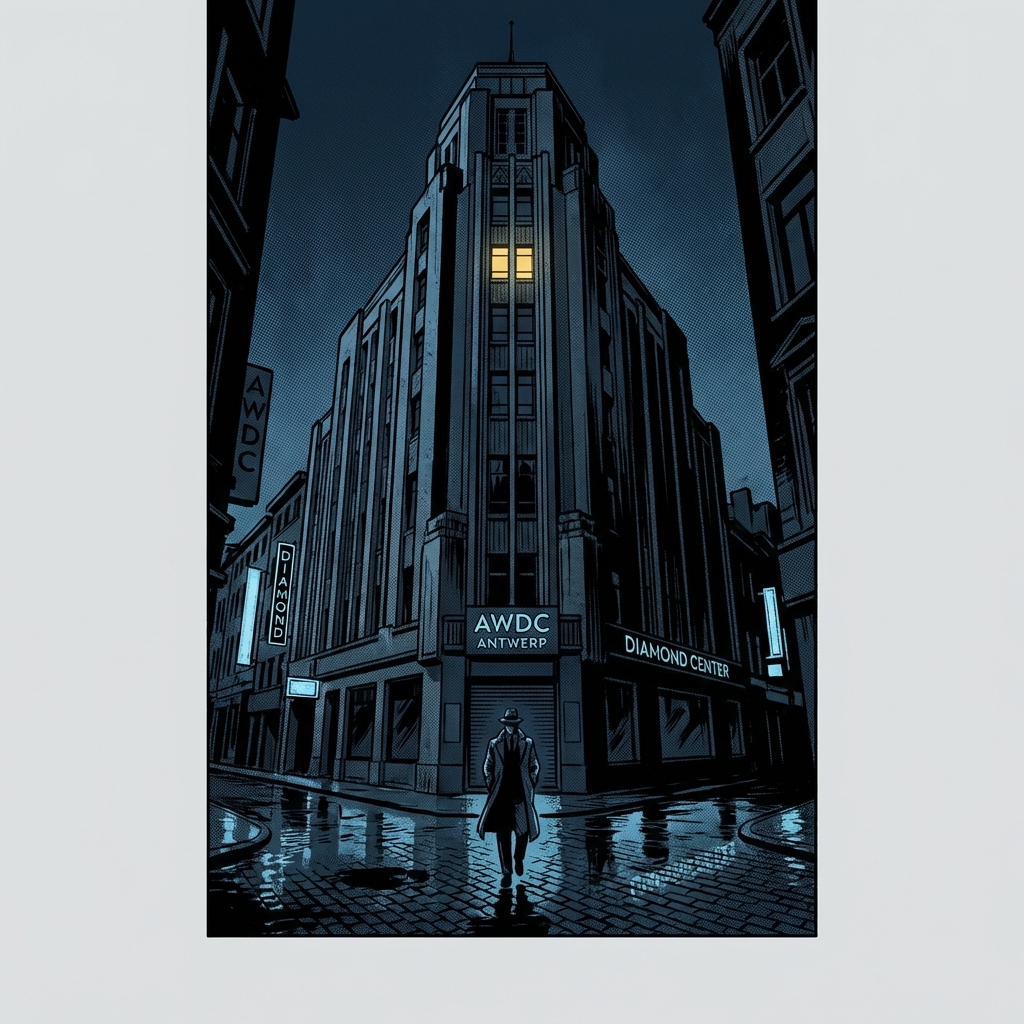
Antwerp, Belgium, has been the heart of the global diamond trade for over five centuries. In 2003, roughly 80% of the world's rough diamonds and 50% of polished diamonds passed through the city's Diamond District—a square mile of heavily guarded streets, bourses, and cutting workshops.
At the center of this district stood the Antwerp World Diamond Center (AWDC). It was not merely an office building; it was a fortress of commerce. The building housed the High Council for Diamonds and served as the nerve center where billions of dollars in stones changed hands annually. For gem dealers, the AWDC offered a service essential to their trade: a secure vault where inventory could be stored over the weekend.
The Fortress Beneath the Street
The vault itself became a character in this narrative. Located two floors below ground level, it was protected by layers of security that were widely considered impenetrable. It was a marvel of 20th-century security engineering, a testament to the paranoia that accompanies the storage of extreme wealth.
- The Outer Perimeter: Access to the building required a badge. Access to the vault level required passing through a steel gate. The guards were not merely rent-a-cops; they were trained professionals, monitoring a bank of screens that covered every inch of the public corridors.
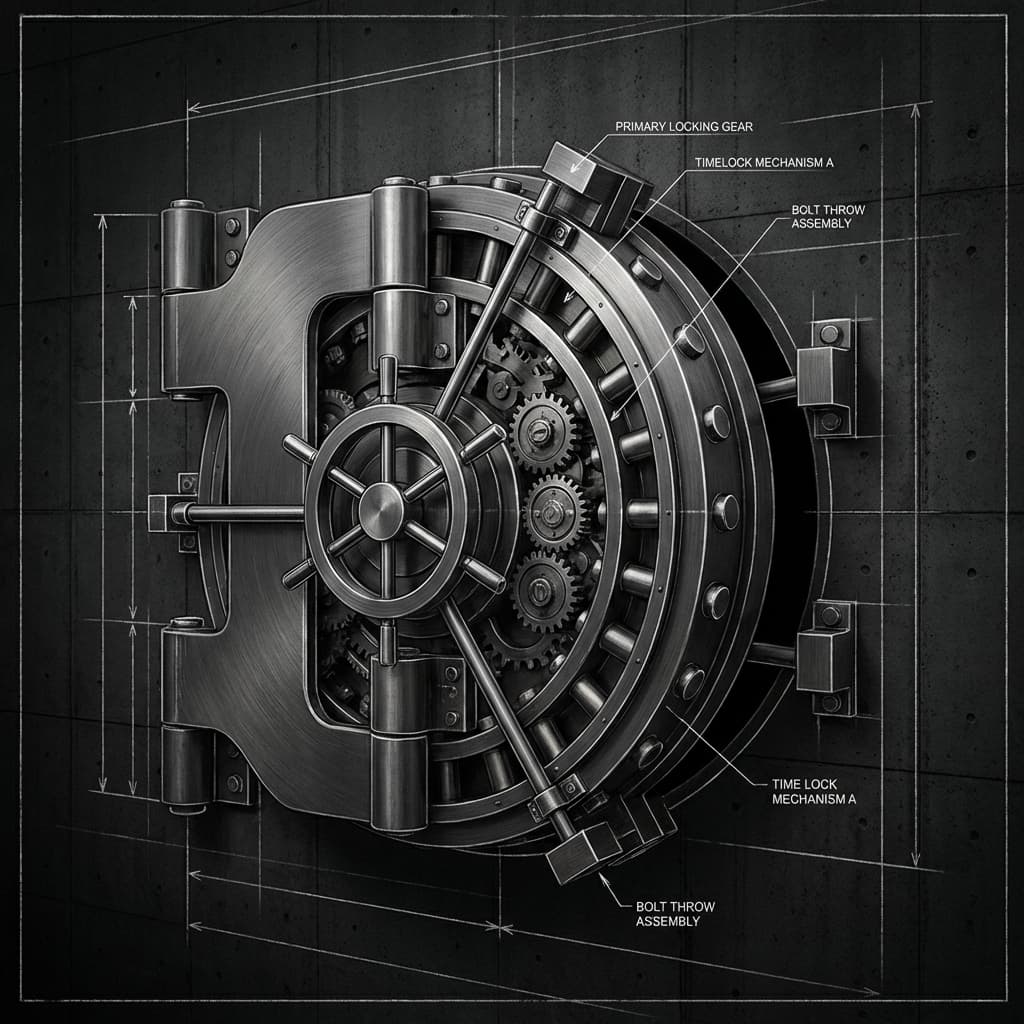
- The Vault Door: A three-ton steel behemoth manufactured by LIPS, a company legendary for its lock-making. It featured a combination wheel with numbers from 0 to 99, requiring a specific sequence to retract the bolts. It also required a foot-long key, impossible to duplicate by standard means. This key was a relic of a time before digital encryption, a physical token of authority that was never supposed to leave the premises.
- The Magnetic Seal: The door was armed with a magnetic field. If the door was opened without disarming the field, an alarm would trigger at the central monitoring station. This was not a simple contact switch; it was a tuned magnetic field. Any disruption, any slight variance in the magnetic flux, would send a silent signal to the police.
- The Sensors: Inside the vault, the air was monitored by a trifecta of electronic guardians:
- Light Sensors: These photocells were calibrated to detect even the faintest glint of light in the pitch-black vault. A single flashlight beam sweeping across the sensor would trigger the alarm.
- Heat Sensors: Infrared detectors scanned the room for body heat. The ambient temperature of the vault was controlled; a human body entering the space would stand out like a flare on a dark ocean.
- Seismic Sensors: Buried in the concrete floor and walls, these microphones listened for the tell-tale vibrations of drilling, hammering, or explosions. They were sensitive enough to detect footsteps if not dampened.
- Doppler Radar: A radar system filled the volumetric space of the vault with radio waves, detecting any motion by the shift in frequency of the reflected waves. It was the same technology used by police to catch speeders, but adapted to catch thieves.
- The Keypad: Disarming the sensors required entering a code into a keypad located just outside the vault door. The code was known only to a select few security personnel and was changed regularly.
The police and the Diamond High Council believed that breaching one layer was possible, perhaps two. But to bypass all of them, undetected, over a period of hours, was a statistical and mechanical impossibility. It was the security equivalent of the Titanic—unsinkable, unbreachable. And like the Titanic, its arrogance would be its undoing. Understanding risk management is crucial for any organization holding valuable assets.
A City of Secrets: The Context of Antwerp
To understand the heist, one must understand the environment. Antwerp is not just a port city; it is the "Jerusalem of the West" for the diamond trade. For centuries, the trade has been dominated by the Hasidic Jewish community, though in recent decades, Indian Jain families have also become prominent. It is an insular world, built on trust and handshakes. Millions of dollars are exchanged with the phrase "Mazal u'Bracha" (Luck and Blessing), a verbal contract more binding than any written document.
In this closed ecosystem, outsiders are viewed with suspicion. Yet, the sheer volume of commerce requires a constant flow of couriers, buyers, and sellers. In 2003, the Diamond District was generating turnover of $23 billion a year. It was a river of wealth flowing through three small streets: Hoveniersstraat, Schupstraat, and Rijfstraat. The AWDC on Hoveniersstraat was the dam that held the most precious reserves.
For a thief, penetrating this social circle was as difficult as penetrating the vault itself. One could not simply walk in; one had to belong. This is where Leonardo Notarbartolo distinguished himself from the common criminal. He did not break in; he invited himself in. He understood that the greatest vulnerability in any security system is not the lock, but the person holding the key.
The School of Turin: Assembling the Team
The mastermind behind the operation was Leonardo Notarbartolo. A charming, well-dressed Italian man in his late 40s, Notarbartolo was not a brute-force criminal. He was a career thief who specialized in social engineering and careful planning. According to Guinness World Records, he spent four years planning what would become the largest diamond heist in history. Based in Turin, Italy, he had spent decades refining the art of theft.
According to the findings of the Belgian police and subsequent court documents, Notarbartolo did not work alone. He assembled a team of specialists, each possessing a specific skill set required to defeat a specific layer of the vault's security. In the criminal underworld and later in media reports, they became known as "The School of Turin" (La Scuola di Torino).
While Notarbartolo was the face of the operation—the "leader"—his accomplices were ghosts. During the subsequent trial, four main accomplices were identified by aliases that described their functions.
- The Genius (Elio D'Onorio): An electronics expert. His role was to neutralize the alarm systems. D'Onorio was a specialist in bypassing sensors and understanding the wiring of complex security grids.
- The Monster (Ferdinando Finotto): A hulking figure, Finotto was the muscle and the mechanic. He was adept at lockpicking, heavy lifting, and the physical labor required to move equipment and loot.
- The King of Keys: An older man whose true identity remains one of the great mysteries of the case. He was a master key forger. His role was to replicate the foot-long key that operated the massive vault door. The King of Keys was never apprehended.
- Speedy (Pietro Tavano): A nervous, anxious friend of Notarbartolo. His role was logistical—carrying bags, driving, and assisting with the disposal of evidence. It was Speedy's anxiety and carelessness that would ultimately doom the group.
The Preparation: Two Years of Surveillance
The heist was not a spur-of-the-moment decision. It was the culmination of at least 18 months of rigorous preparation.
The Trojan Horse
In the summer of 2000, Leonardo Notarbartolo arrived in Antwerp. He did not hide. Instead, he rented a small office within the Diamond Center itself. He presented himself as a diamond merchant, an importer of gems based in Turin. He dressed the part, wearing expensive suits and an expensive watch. He drank espresso in the local cafes, chatting with other dealers. He became a familiar face to the building's security guards.
This office was his Trojan Horse. It gave him legitimate access to the building. It gave him a badge. Most importantly, it gave him 24-hour access to the hallways and the ability to observe the rhythms of the guard shifts.
Mapping the Void
From his office, Notarbartolo began a campaign of surveillance that would rival any intelligence agency. He noted when the guards made their rounds. He observed where the cameras were pointed. He reportedly carried a pen camera in his breast pocket—a piece of "spy tech" that was cutting edge for 2001—capturing grainy but vital images of the vault door and the keypad during his legitimate visits to the vault level.
He befriended the guards. He brought them espresso. He chatted about football, about the weather, about the mundane details of life. In doing so, he became invisible. He was no longer a stranger; he was "Leo from Italy," the nice guy in office 514. This psychological camouflage allowed him to linger in hallways a few seconds longer than necessary, to glance at security monitors without raising alarm.
The team went to extraordinary lengths to understand their target. Police investigators later discovered that the group had constructed a full-scale replica of the vault door in a warehouse in Italy. This detail, reminiscent of a Hollywood script, was confirmed by forensic evidence. In this warehouse, they practiced. They drilled. They tested the sensitivities of magnetic fields. They timed how long it would take to drill through a lock versus picking it. They prepared for every contingency.
They discovered, for instance, that the magnetic sensors played a specific role. They weren't just on/off switches. They measured proximity. To defeat them, one couldn't just rip them off; one had to trick them into believing they were still attached. This required a custom solution: a precise aluminum bracket that could hold the magnets in place while the door was swung open. It was a tool that didn't exist in any hardware store; it had to be engineered.
The Genius, Elio D'Onorio, spent months studying the schematics of the alarm systems. He knew that the infrared sensors could be blinded. He knew that the Doppler radar had blind spots or could be dampened. He wasn't guessing; he was engineering a bypass.
The Monster, Ferdinando Finotto, trained for the physical demands. The door was heavy. The boxes were numerous. The work inside the vault would be physically exhausting, performed in near-total darkness and silence. They would need stamina.
And the King of Keys... he worked in the shadows. Using the grainy video stills from Notarbartolo's pen camera, he began the impossible task of filing a duplicate key for a lock he had never touched. He was working from 2D images to create a 3D object that had to work perfectly on the first try. There would be no second chance. If the key jammed, the heist was over.
The Incident: The Weekend of February 15
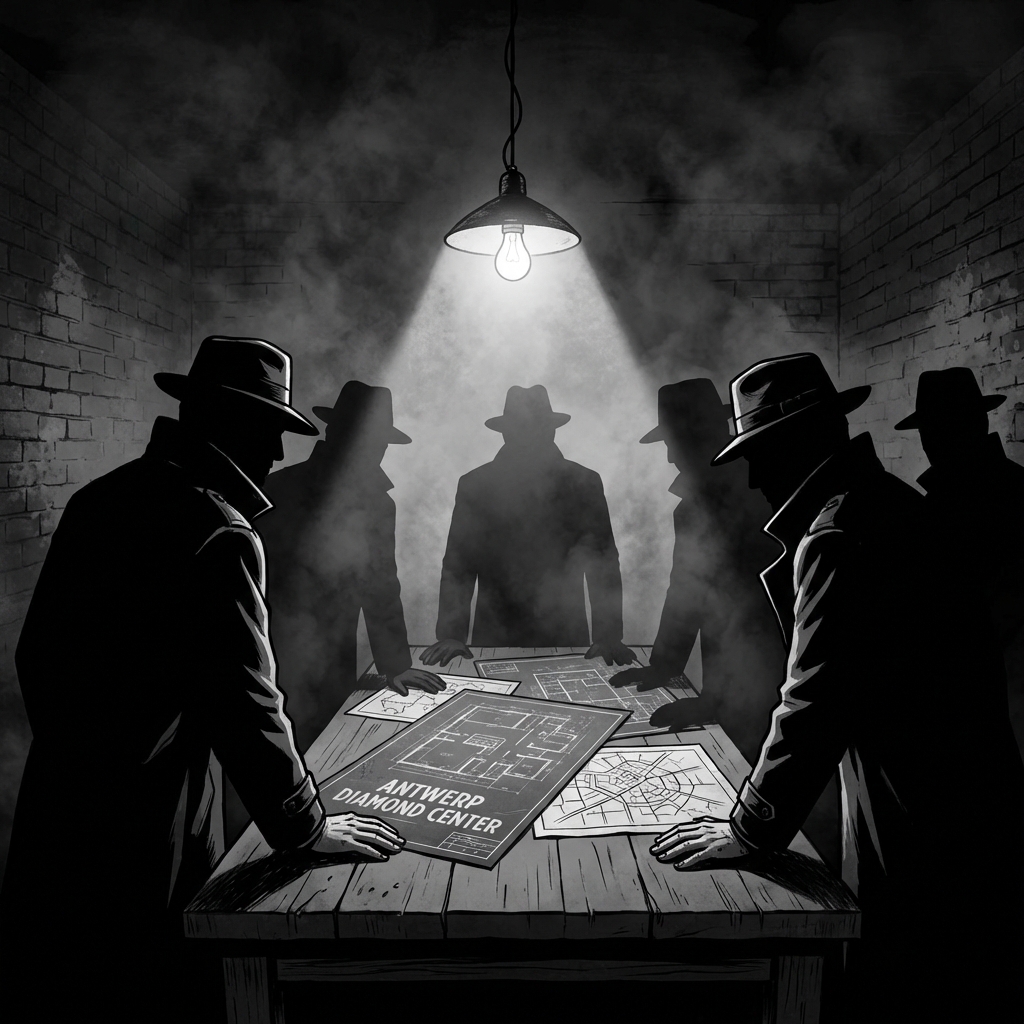
The date was chosen carefully: February 15, 2003. A tennis tournament was taking place in the city, which meant the streets would be busy, providing cover. It was a weekend, meaning the building would be empty of tenants.
On Friday night, Notarbartolo stayed late in the Diamond Center. When he left, he ensured that certain windows were unlatched or that access points were primed. But the real work began later.
The Infiltration
In the dead of night, the team entered the Diamond Center. The exact point of entry remains a detail debated by security experts, but once inside, they moved with practiced silence. They made their way down to the vault level.
The lights were off. The hallway was monitored by cameras, but the Genius had already accounted for them. They covered the lenses or bypassed the feeds. Now, they stood before the vault.
What followed was a masterclass in criminal engineering. They did not blow the door. They did not use brute force that would trigger a seismic alarm. They used precision.

Step 1: The Thermal Sensors
The vault anteroom was guarded by infrared heat detectors. To defeat them, the team used a simple, low-tech solution. They covered the sensors with a precise application of women's hairspray. The aerosol mist coated the sensors, temporarily blinding them and preventing them from detecting the body heat of the thieves as they worked.
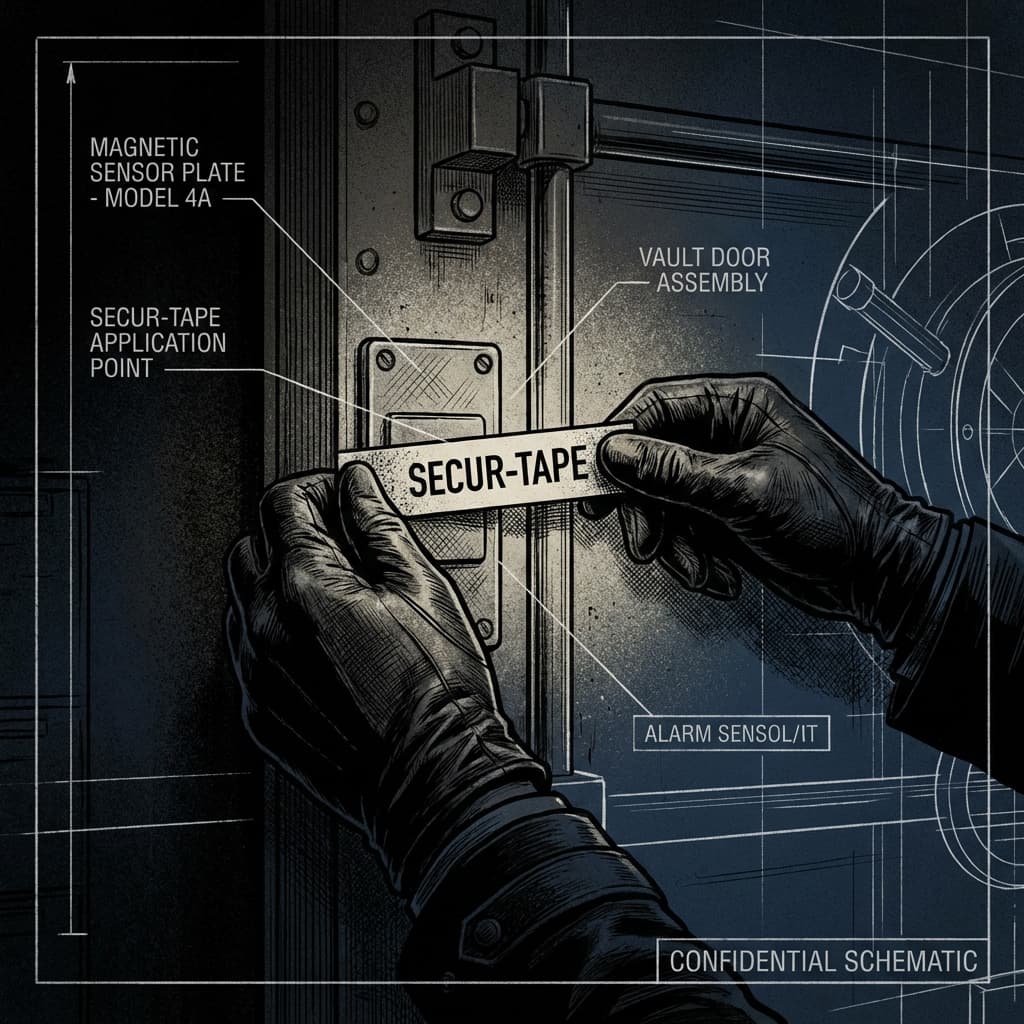
Step 2: The Magnetic Field
The vault door was secured by a magnetic field consisting of two plates. If the plates were separated, the magnetic bond would break, triggering an alarm. The team bypassed this by using a custom-made aluminum bracket. They unscrewed the plates but kept them held together with the bracket and heavy-duty tape. This allowed them to swing the plates away from the door frame without ever breaking the magnetic connection.
Step 3: The Vault Door
With the sensors blinded and the alarm bypassed, they faced the door itself. The King of Keys had crafted a duplicate of the foot-long vault key based on video surveillance. They inserted the key. They dialed the combination—which Notarbartolo had acquired through observation. The three-ton door swung open.
Step 4: The Raid
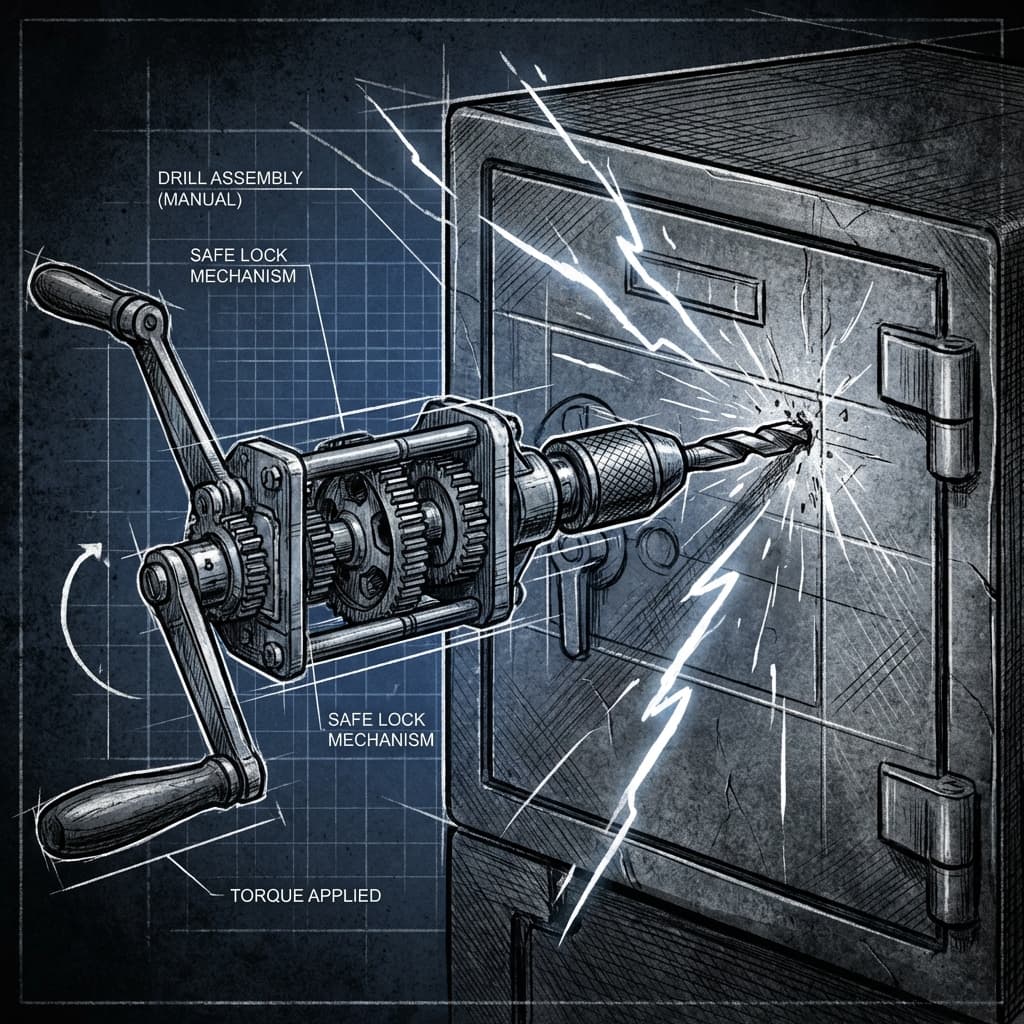
Inside the vault, they worked in darkness to avoid tripping the light sensors. They jammed the light sensors with tape. Then, using a custom-made hand-cranked drill, they systematically popped the locks of the safe deposit boxes. They worked for hours, opening 109 boxes and emptying contents into duffel bags.
The Raid
Inside the vault, the atmosphere was thick with tension. They worked in darkness to avoid tripping the light sensors. They had jammed the light sensors with black electrical tape, a simple but effective countermeasure.
But the Doppler radar was still a threat. They moved slowly, deliberately. They knew that sudden, jerky movements could reflect the radio waves and trigger the alarm. It was a slow-motion ballet of theft.
They turned their attention to the safe deposit boxes. These were not flimsy gym lockers. They were steel boxes reinforced with copper and iron. To open them, they used a device that Notarbartolo had dubbed the "force tool"—a custom-made hand-cranked drill. It operated silently, unlike an electric drill which would have triggered the seismic sensors.
With agonizing slowness, they clamped the tool onto a lock. They cranked the handle. The high-torque bit sheared through the locking mechanism. Pop. The lock broke. They opened the box.
They did this 109 times.
For hours, they worked in the dark, sweating in their jumpsuits. They emptied the contents of the boxes into duffel bags. Diamonds. Gold bars. Watches. Necklaces. They didn't look at the merchandise; they just shoveled it in.
They were selective, however. They couldn't carry everything. They left behind bags of gold that were too heavy. They ignored files and paperwork. They were there for the stones—the high-value, low-weight commodities that make diamonds the perfect currency for the underworld.
By 4:00 AM, they were exhausted. The adrenaline was fading, replaced by the physical toll of the labor. They had bags filled with potentially hundreds of millions of dollars. But they clearly made mistakes in their fatigue. They dropped pearls on the floor. They trampled on necklaces. In their haste to leave, they didn't just walk out; they fled.
They stole the security tapes from the VCR recorder in the control room—a final "fuck you" to the system. They believed they had committed the perfect crime. They had bypassed the unbypassable. They had ghosted the system.
The Investigation: A Sandwich and a Name
On Monday morning, the employees of the AWDC arrived to find the vault door ajar. The police were called. The detectives who walked into the vault were stunned. The floor was covered in paper, boxes, and velvet. It was a scene of chaos, but the entry had been surgical.
Detective Patrick Peys and Agim De Bruycker of the Antwerp Diamond Squad led the investigation. They had almost no leads. There was no physical evidence of a break-in on the exterior. The alarms had recorded nothing. The surveillance tapes were gone.
The Garbage on the E19
The breakthrough came from a source completely unrelated to the diamond trade. August Van Camp, a retired grocer who owned a small patch of forest alongside the E19 motorway, was annoyed. People frequently dumped trash on his land.
On Monday, February 17, Van Camp found a pile of garbage in the underbrush. Determining to find the culprit who littered on his property, he poked through the trash using a stick. To his surprise, he found envelopes with the stamp of the "Antwerp Diamond Center". He realized this wasn't ordinary household waste. He called the police.
When detectives arrived, they realized they had found the motherlode. The thieves, in their haste to escape, had panicked. Speedy, the nervous getaway driver, was supposed to burn the trash. Instead, overcome by panic, he had simply thrown the bags into the woods.
Inside the bags, police found:
- Dozens of stripped envelopes from the Diamond Center.
- Videotape residue, likely from the stolen surveillance tapes.
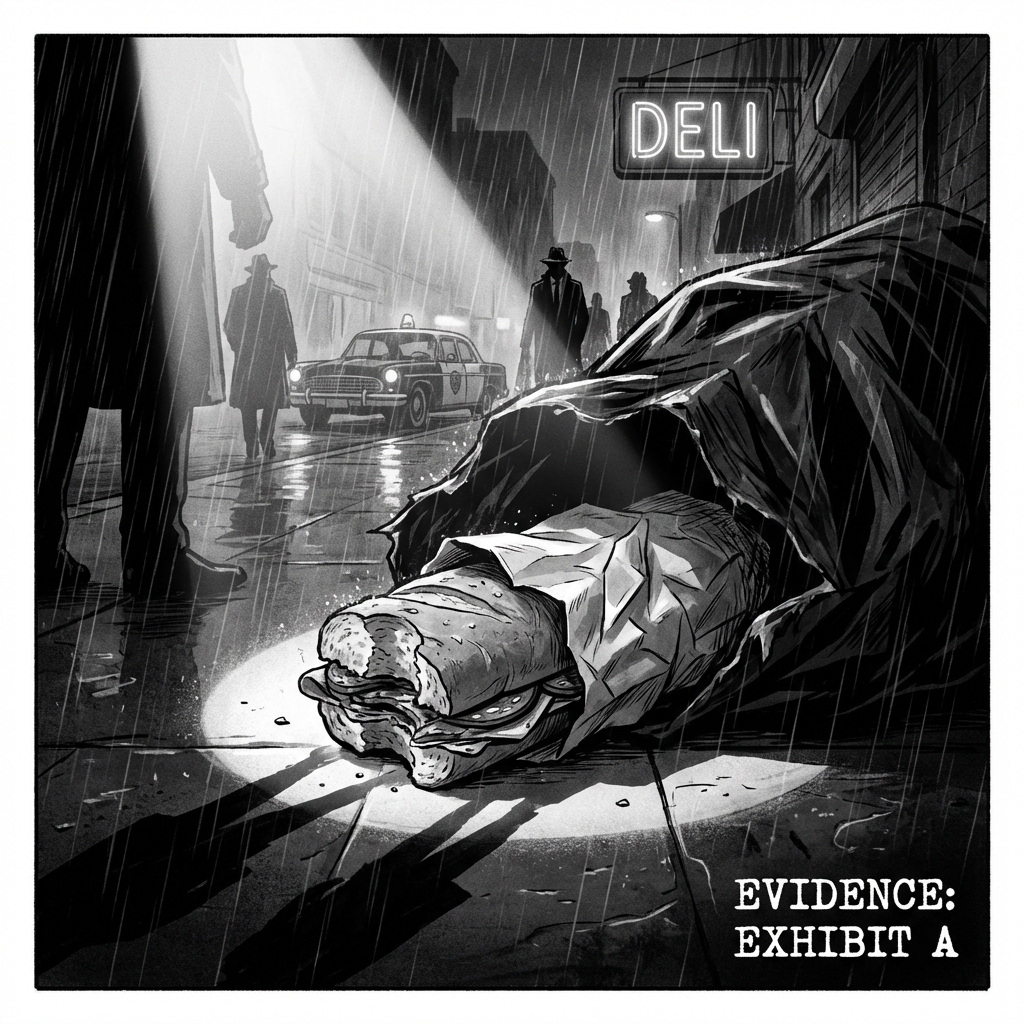
- A receipt for a salami sandwich bought at a local supermarket.
- A half-eaten salami sandwich.
The DNA Match
The receipt led police to the supermarket. Security footage from the store showed a man buying the sandwich. He was tall, muscular—matching the description of "The Monster."
But the sandwich itself was the smoking gun. Forensic technicians swabbed the salami. They found a DNA profile. They ran it through the databases. It matched Leonardo Notarbartolo. According to detailed accounts of the investigation, the DNA evidence was irrefutable.
Traces of DNA from Notarbartolo were also found on a bottle of wine in the trash. The "Genius," Elio D'Onorio, had left his DNA on the adhesive tape used to bind the trash bags. Ferdinando Finotto's DNA was also recovered. The "perfect" heist had been undone by garbage.
The Official Ruling: Verdicts and Sentences
Armed with this evidence, the Belgian police moved quickly. They tracked Notarbartolo. To their astonishment, he had returned to the scene of the crime. On Friday, February 21—less than a week after the heist—Notarbartolo showed up at the Diamond Center to check his mail, acting as if nothing had happened. He was immediately arrested.
In his apartment in Turin, police found secure bags containing 17 polished diamonds. They were traced back to the vault.
The Trial
The trial of the School of Turin was a media sensation. The evidence—the DNA, the phone records showing the group communicating in Antwerp, the rental contracts for the office—was overwhelming.
Leonardo Notarbartolo was found guilty. The court rejected his defense that he was a victim of a setup. In 2005, he was sentenced to 10 years in prison.
His accomplices also faced justice:
- Elio D'Onorio (The Genius) was arrested after his DNA was matched to the adhesive tape. He admitted to installing cameras in Notarbartolo's office but denied the heist. He was sentenced to 5 years.
- Ferdinando Finotto (The Monster) was sentenced to 5 years.
- Pietro Tavano (Speedy) was sentenced to 5 years.
The King of Keys remains at large. His identity was never officially confirmed, and he was never brought to trial.
The Aftermath and Legacy
The Antwerp heist changed the diamond industry forever. It shattered the illusion of invulnerability that surrounded the Diamond Center.
Where is the Loot?
The most haunting question of the Antwerp heist remains: Where are the diamonds?
Police recovered only a tiny fraction of the stolen goods—the few stones found in Notarbartolo's apartment and some debris in the trash. The vast majority of the $100 million haul was never found. Notarbartolo, in interviews given after his release, claimed that the take was actually much lower—around $20 million—and that many of the boxes were already empty, implying an insurance fraud conspiracy by the merchants. However, police and the court dismissed these claims as a fabrication designed to minimize his sentence and sow confusion.
The general consensus among investigators is that the diamonds were quickly smuggled out of Belgium, likely re-cut to remove their laser inscriptions, and sold into the global market. The wealth they generated likely funded the lifestyles of the School of Turin's families for years, or was funneled into other criminal enterprises.
Security Overhaul
In the wake of the heist, the Antwerp World Diamond Center underwent a massive security overhaul. The vault protocols were completely redesigned.
- Biometrics: Entry now requires biometric verification, not just keys and codes.
- Dual Custody: No single person can access the vault alone.
- Sensor Upgrades: The type of "blindable" sensors used in 2003 were replaced with modern, redundant systems that cannot be defeated by hairspray or tape.
Leonardo Notarbartolo served his time. He was released on parole in 2009, but violated his conditions by failing to compensate the victims. He was arrested again in 2013 and forced to serve the remainder of his sentence. He was released in 2017, a free man, the architect of a crime that remains the benchmark for impossible heists.
Conclusion
The Antwerp Diamond Heist serves as a testament to both human ingenuity and human frailty. Bypassing the security required genius-level engineering, patience, and nerves of steel. Yet, the downfall required only a moment of laziness—a refusal to drive an extra few miles to burn a bag of trash. "The School of Turin" proved that no vault is truly impenetrable, but they also proved that no crime is truly perfect.
References
- Official Findings: Belgian Federal Police Reports, "Antwerp Diamond Center Investigation," 2003.
- Court Judgment: Public Prosecutor v. Notarbartolo et al., Court of First Instance, Antwerp, 2005.
- Investigative Reporting: Davis, Joshua. "The Untold Story of the World's Biggest Diamond Heist." Wired Magazine, March 2009.
- Reference: Antwerp diamond heist - Wikipedia
- News Coverage: "DNA from sandwich leads to diamond thief." BBC News, 2003.
- Legal Records: Appeal Rulings, Antwerp Court of Appeal, 2006.
- Documentary: The Heist of the Century, National Geographic, investigation into the vault mechanics.