The Great Train Robbery: How Fifteen Men Stopped a Train and Changed British Crime Forever
The Great Train Robbery: How Fifteen Men Stopped a Train and Changed British Crime Forever
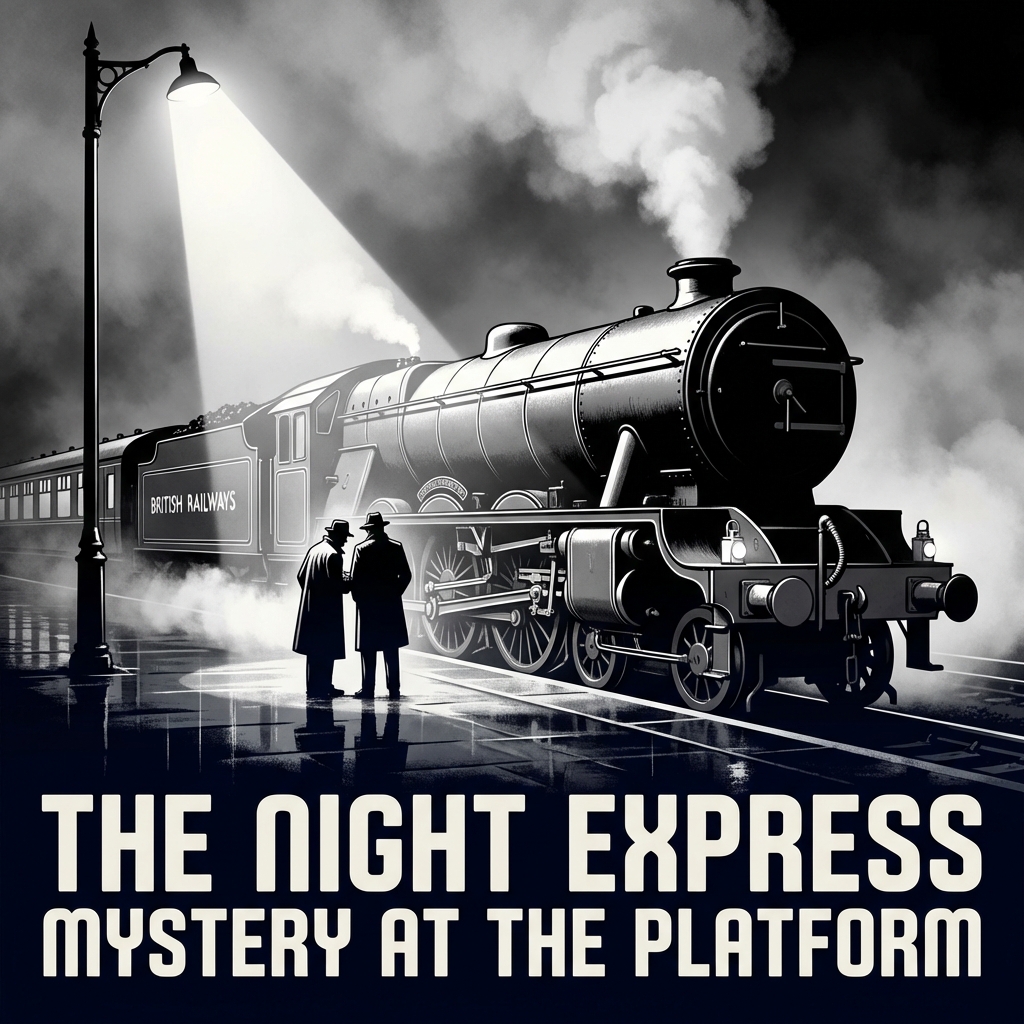
At 3:03 AM on August 8, 1963, the Glasgow-to-London Royal Mail train ground to a halt at a red signal near Bridego Bridge in rural Buckinghamshire. The signal was not malfunctioning. It had been deliberately manipulated by a gang of fifteen men who were about to execute the most audacious robbery in British history.
In the next thirty minutes, the gang would overpower the train crew, unload 120 mailbags containing £2.6 million in banknotes (equivalent to approximately £55 million today), and vanish into the English countryside. The crime shocked Britain. The investigation that followed—involving over 2,000 official reports, 2,500 witness statements, and more than 70 dedicated officers—would become one of the most exhaustive manhunts the country had ever seen. And yet, the gang's downfall came not from brilliant detective work, but from a farmhouse they failed to burn down, a Monopoly board they played with real money, and the fingerprints they left behind.
This is the definitive account of the Great Train Robbery, reconstructed from police records, court documents, and official findings. It is a story of meticulous planning, brutal execution, and the inexorable grind of justice. For another deep-dive into historical crime, see our investigation of the Antwerp Diamond Heist.
Table of Contents
- The Background: Post-War Britain and the Royal Mail
- The Crew: Bruce Reynolds and the South West Gang
- The Night of the Robbery
- The Investigation: The Farm That Betrayed Them
- The Trial: Justice at Aylesbury
- The Aftermath: Escapes, Exile, and Death
- The Legacy
- References
The Background: Post-War Britain and the Royal Mail
To understand the Great Train Robbery, one must first understand the Britain of 1963. The country was emerging from post-war austerity into a new era of prosperity and social change. The Beatles were rising to fame, the Profumo scandal was rocking the establishment, and organised crime in London was reaching unprecedented levels of sophistication.
The Landscape of British Crime
London in the early 1960s was divided into criminal territories controlled by powerful gangs. The Kray twins ruled the East End, the Richardsons controlled South London, and a loose network of professional criminals operated in the city's underworld. These were not street thugs; they were businessmen of crime—planners, specialists, and networkers who treated robbery as a profession.
Among this world moved Bruce Reynolds, a charming antiques dealer by day and a meticulous criminal by night. Reynolds had built a reputation for careful planning and successful execution. He surrounded himself with specialists, and he was always looking for the next big score.
The Vulnerability of the Royal Mail
The Royal Mail operated a nightly service transporting high-value packages between major British cities. The most valuable of these was the Travelling Post Office (TPO) train that ran from Glasgow to London Euston. Every night, the train collected and sorted mail as it travelled south, with special High Value Package (HVP) carriages carrying registered mail including cash, jewellery, and securities.
On certain nights—particularly after bank holiday weekends when banks were closed—the HVP carriages carried extraordinary amounts of cash being returned from Scottish banks to London. The gang knew that the August Bank Holiday of 1963 would mean the train carried millions of pounds in used, untraceable banknotes. It was an irresistible target.
The security arrangements were remarkably lax by modern standards. There were no armed guards. No CCTV cameras. No electronic tracking. Just postal workers sorting mail in carriages linked to a diesel locomotive. The gang had identified the perfect crime, and they had an inside man who could tell them exactly when to strike.
The Inside Man: The Ulsterman
According to evidence that emerged decades later, the gang received intelligence from an individual known only as "The Ulsterman." This informant worked within the Royal Mail and provided critical details: which nights carried the highest values, how many postal workers would be on board, and crucially, the locations of the signals that could be manipulated to stop the train.
In 2014, Gordon Goody—one of the convicted robbers—revealed in a documentary that The Ulsterman was Patrick McKenna, a postal worker from Salford. McKenna had died in 1995 without ever facing charges. His role in the robbery was one of the last secrets the gang kept for over half a century.
The Crew: Bruce Reynolds and the South West Gang
The Great Train Robbery was not the work of amateurs. It was a military-style operation executed by a team of specialists, each recruited for their particular skills. At its helm was Bruce Reynolds, the mastermind who had spent months planning every detail.
The Leadership
Bruce Reynolds was the architect of the robbery. Born in 1931, Reynolds had been involved in crime from adolescence. He was sophisticated, well-read, and obsessed with detail. He saw crime as an intellectual challenge and prided himself on never using violence unless absolutely necessary. For the train robbery, however, he knew some level of force would be required—and he recruited accordingly.
Gordon Goody served as Reynolds' deputy and the gang's chief enforcer. A former boxer standing over six feet tall, Goody was both the muscle and a key strategist. He was 34 at the time of the robbery and known for his sharp mind and ruthless efficiency.
The Specialists
Roger Cordrey was the electronics expert. His job was to manipulate the railway signals—a task that required detailed knowledge of British Rail's signalling systems. Cordrey had studied the lineside signals meticulously, identifying exactly how to cover the green light and illuminate the red using a simple ruse: a glove over the green lens and a battery-powered light behind the red.
Ronnie Biggs was a petty criminal whose main contribution was recruiting a replacement train driver. The gang knew they would need to move the locomotive and HVP carriages to Bridego Bridge for unloading. They couldn't rely on the real driver cooperating, so Biggs brought in an elderly retired driver to take the controls if needed.
Charlie Wilson handled logistics and money. Known as "the silent man" for his ability to keep secrets, Wilson was responsible for managing the getaway vehicles, the hideout, and the subsequent division of loot.
Buster Edwards was another key organiser. He helped coordinate the ground team and was instrumental in acquiring the vehicles and equipment needed for the operation.
The Wider Team
In total, fifteen men participated in the robbery, with additional support from drivers, lookouts, and the replacement train driver. The gang practised their roles for months, rehearsing the signal manipulation, the approach to the train, and the transfer of the mailbags. They rented an isolated farmhouse called Leatherslade Farm, located about 20 miles from the target site, where they would hide after the robbery and divide the loot.
Every detail was planned. Every contingency accounted for. Or so they believed.
The Night of the Robbery
The date was carefully chosen: August 8, 1963. It was a Thursday night following the August Bank Holiday, meaning the train would be carrying the accumulated cash from the long weekend. The weather was clear. The operation was a go.
1:00 AM – Departure from Leatherslade Farm
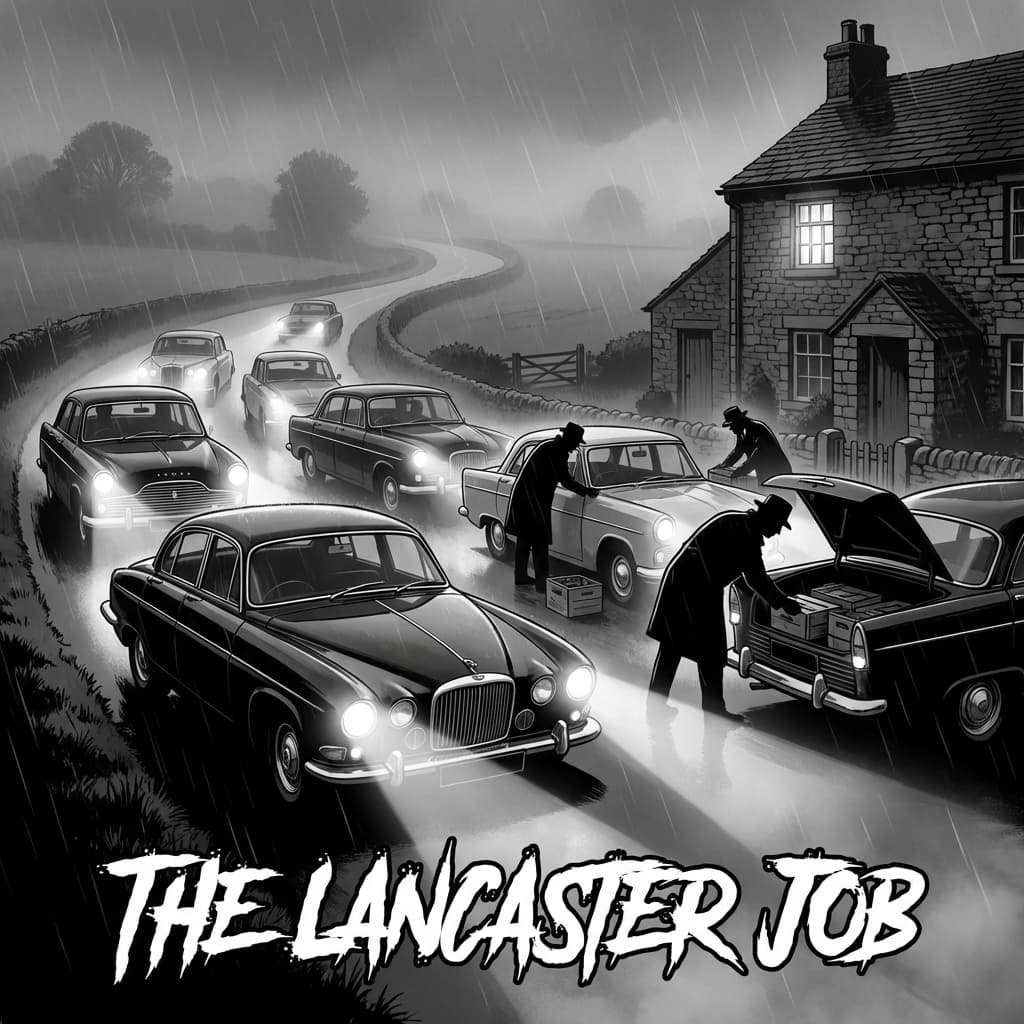
The gang departed their hideout in a convoy of vehicles: a Land Rover, a military-style truck, and two Jaguars. They moved with military precision through the dark Buckinghamshire countryside.
Each man knew his role. They had rehearsed this moment dozens of times. The tension was palpable, but controlled. They were professionals.
3:00 AM – The Signal
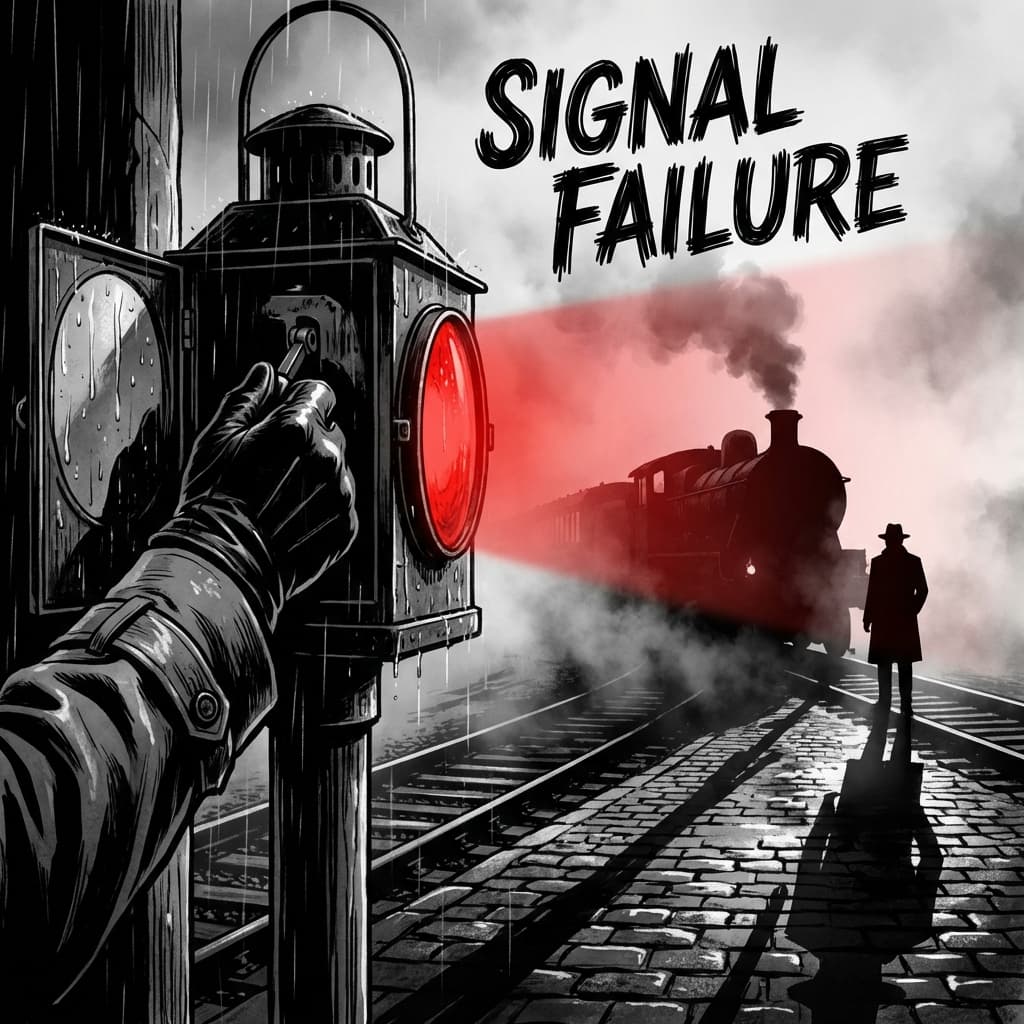
At Sears Crossing, Roger Cordrey climbed the signal post. He covered the green aspect with a leather glove, plunging the railway into apparent caution. Then he connected four six-volt batteries to illuminate the red signal.
A few hundred metres down the track, a dwarf signal was also changed to red. When the train approached, the driver would see red signals in sequence—the universal instruction to stop.
3:03 AM – The Train Stops
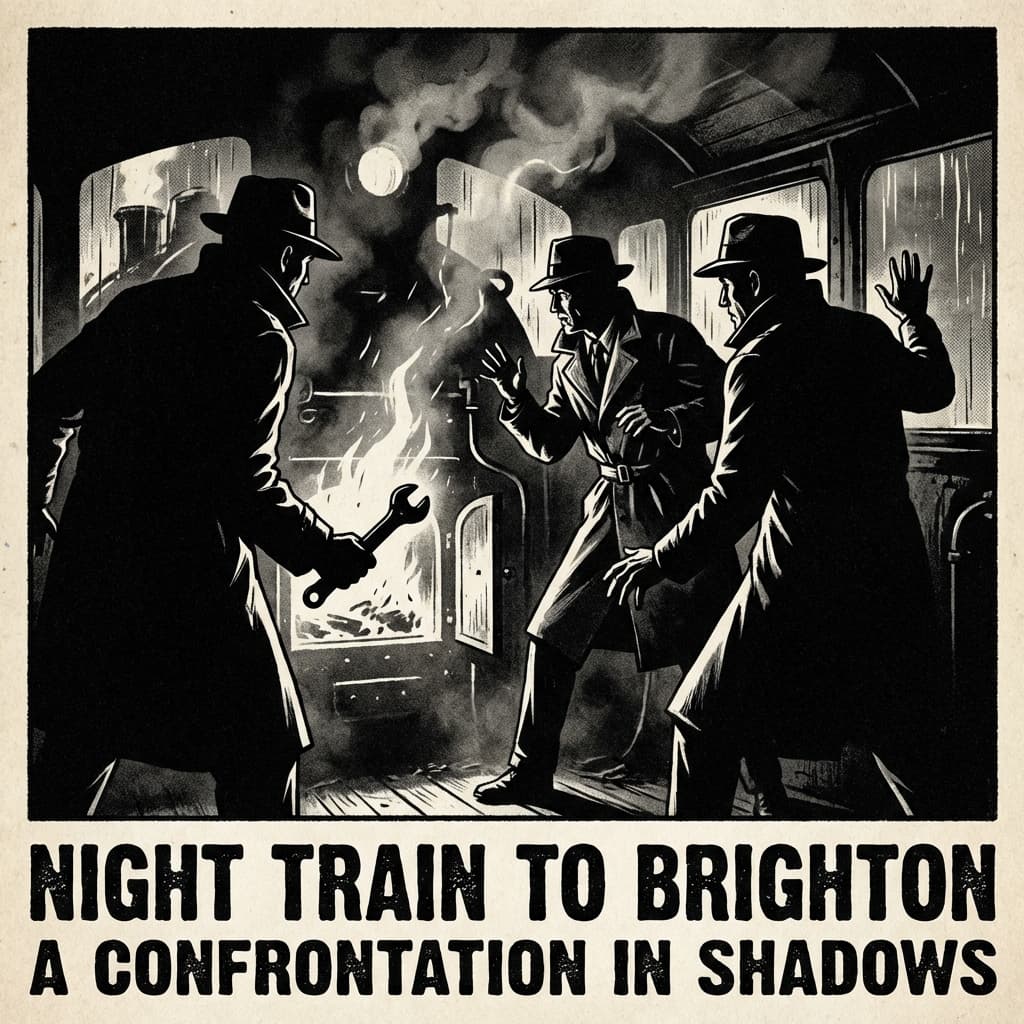
Driver Jack Mills, 57, brought the diesel locomotive to a controlled halt. His fireman, David Whitby, 26, jumped down to investigate—and found the lineside telephone wires had been cut.
Before Whitby could react, he was grabbed by masked men and thrown down the embankment beside the track. Mills, still in the cab, suddenly found himself face to face with the gang.
3:10 AM – The Violence
Jack Mills attempted to resist. One of the gang struck him on the head with a metal bar—an act of violence that would haunt the robbers for decades. Mills was badly injured but remained conscious.
The gang uncoupled the locomotive and the first two HVP carriages from the rest of the train. They ordered Mills to drive forward to Bridego Bridge, half a mile down the track. When Mills struggled with the unfamiliar controls, the gang's replacement driver attempted to help—but the diesel locomotive was different from the steam engines he knew.
3:15 AM – The Human Chain
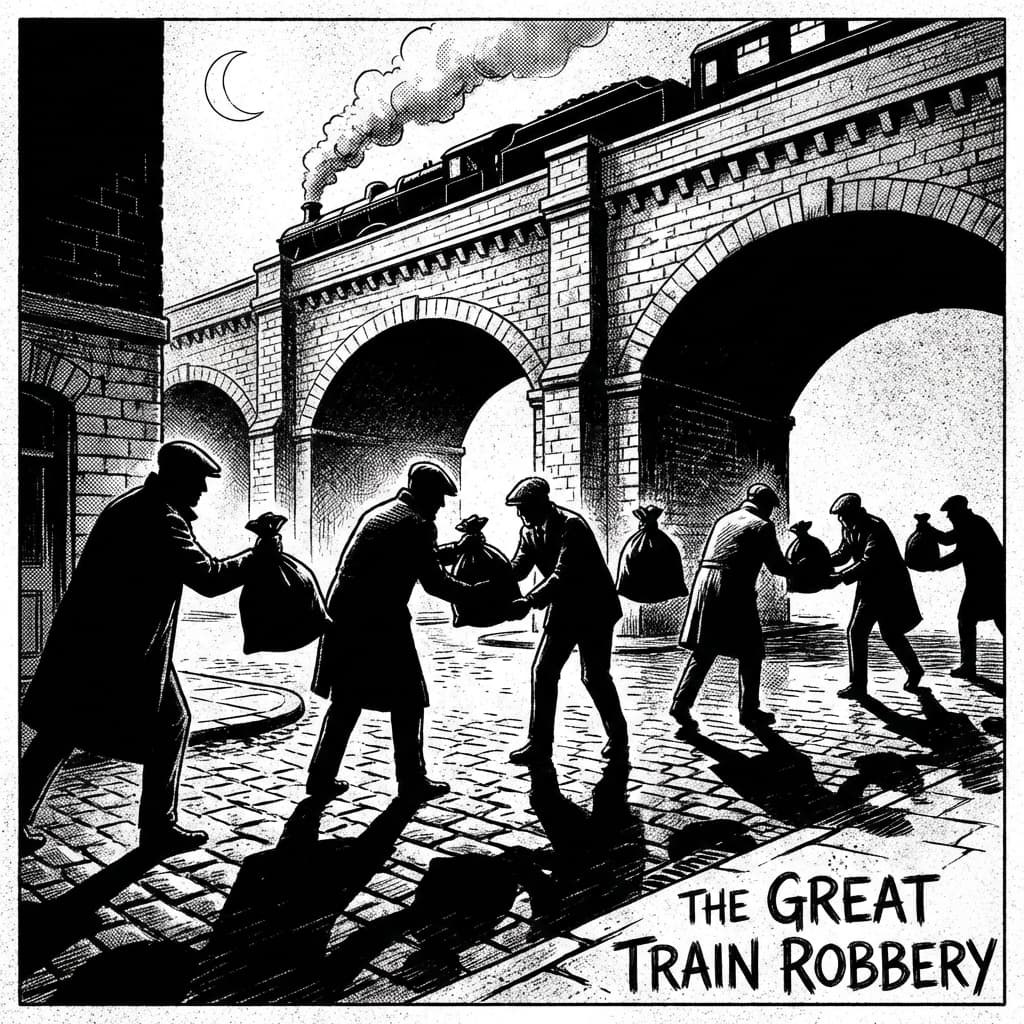
At Bridego Bridge, the gang formed a human chain between the HVP carriages and their waiting truck. For thirty minutes, they worked in darkness, passing 120 mailbags hand to hand.
The bags were heavy—each weighing up to 25 pounds. The men sweated in the August night, racing against the clock. They had imposed a strict time limit on themselves: they needed to be gone before dawn.
3:45 AM – Escape to Leatherslade Farm
With the truck loaded, the convoy disappeared into the countryside. Behind them, they left the train crew handcuffed together but otherwise unharmed—except for Mills, who was bleeding heavily from his head wound.
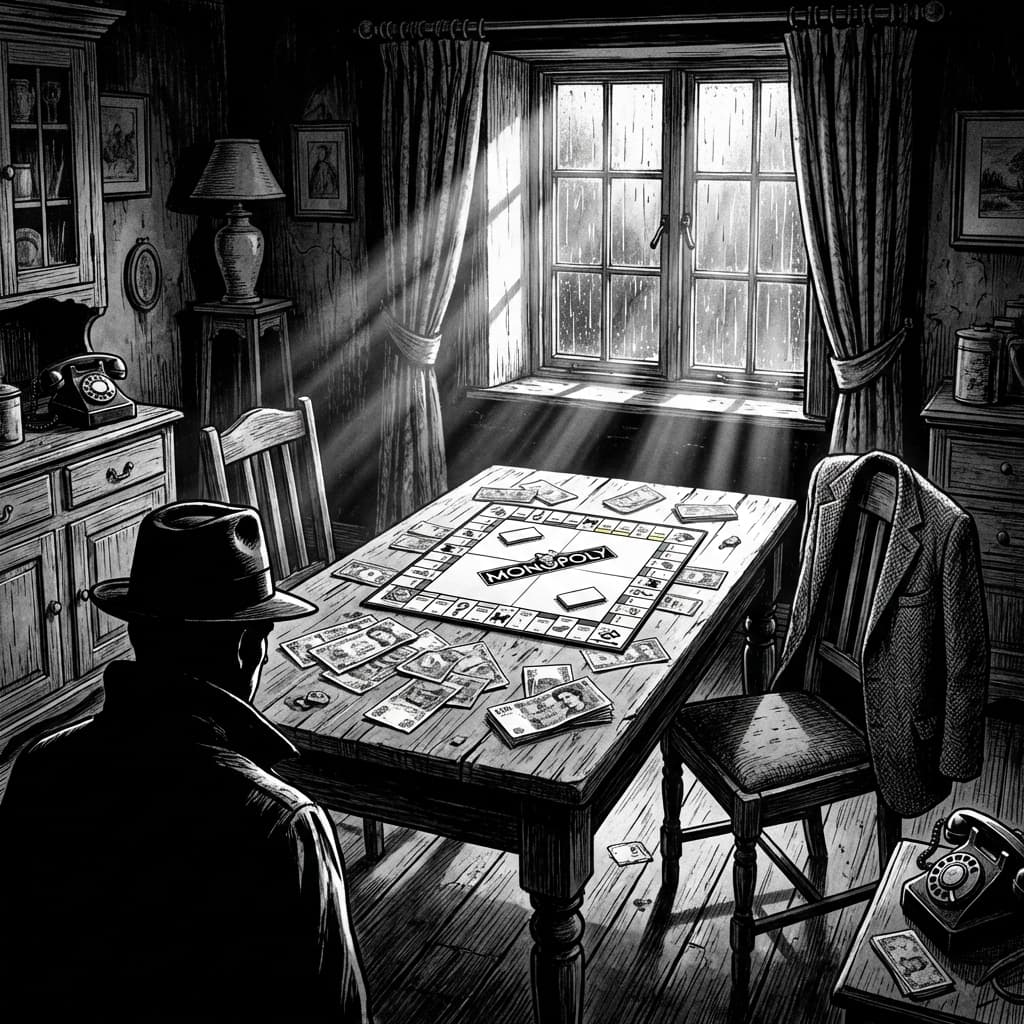
At Leatherslade Farm, the gang divided the money. They counted stacks of £1 and £5 notes by candlelight. The final tally: £2,595,997 10s 0d. In their elation, they played Monopoly with real money. It was a moment of triumph that would prove their undoing.
The Aftermath of the Night
The gang had achieved what they set out to do. They had stopped a train, overpowered its crew, and stolen nearly £2.6 million in cash. It was a crime without precedent in British history.
But in their haste and excitement, they made critical errors. They had planned to stay at Leatherslade Farm for just 24 hours before dispersing. Instead, they lingered for several days. They had hired someone to burn down the farmhouse after they left, destroying all evidence—but the arsonist never carried out his task.
And everywhere they touched—on the Monopoly board, on beer bottles, on the farmhouse kitchen table—they left fingerprints.
The Investigation: The Farm That Betrayed Them
The alarm was raised at 4:30 AM when postal workers in the rear carriages, realising something was wrong, flagged down a passing train. Police were called, and the hunt began.
Detective Superintendent Gerald McArthur of Scotland Yard's Flying Squad was assigned to lead the investigation, working alongside Buckinghamshire Constabulary. From the start, investigators knew they were dealing with professionals. The crime scene was clean, the approach sophisticated, and the perpetrators had vanished without a trace.
August 13 – The Tip
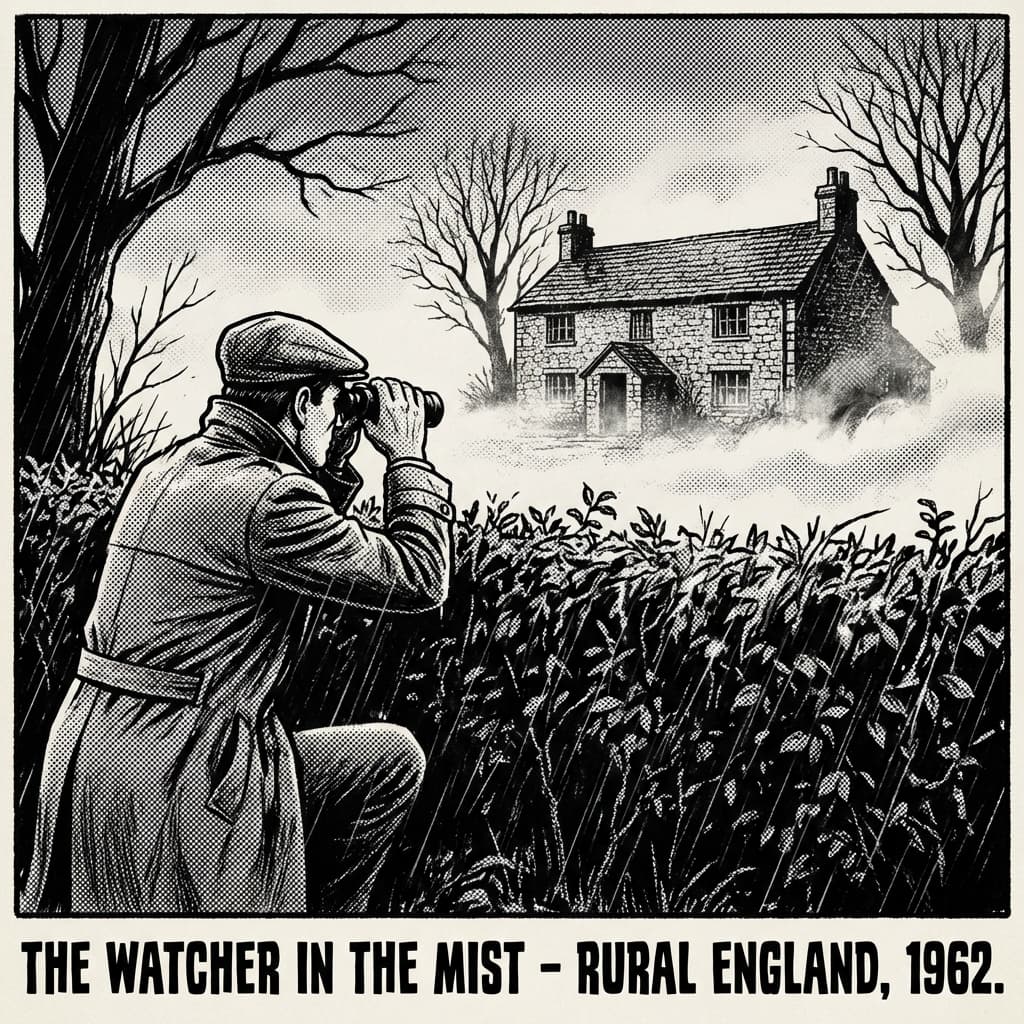
Five days after the robbery, a local herdsman named John Maris noticed unusual activity at Leatherslade Farm. The isolated property had been quiet for months, but now there were fresh tyre tracks and signs of recent occupation.
Maris reported his suspicions to the police. Officers were dispatched to investigate—and walked into a treasure trove of evidence.
The Farmhouse Discovery
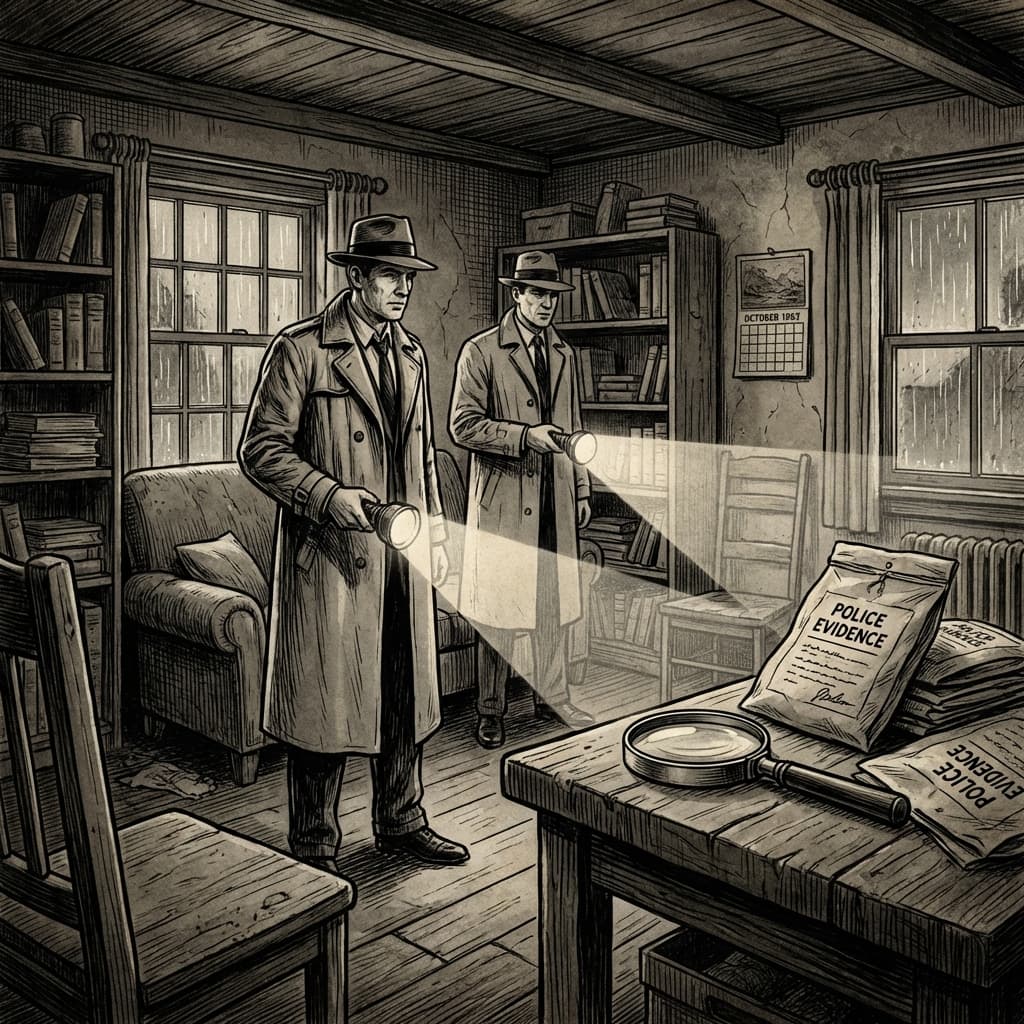
Inside Leatherslade Farm, police found a scene of hurried departure. Mailbags bearing Royal Mail stamps were scattered about. Vehicles used in the robbery were parked outside. Food supplies suggested the gang had stayed for several days.
The farmhouse was a forensic goldmine—but only because the gang's plan to burn it down had failed. The arsonist they had paid simply took the money and disappeared.
The Fingerprints
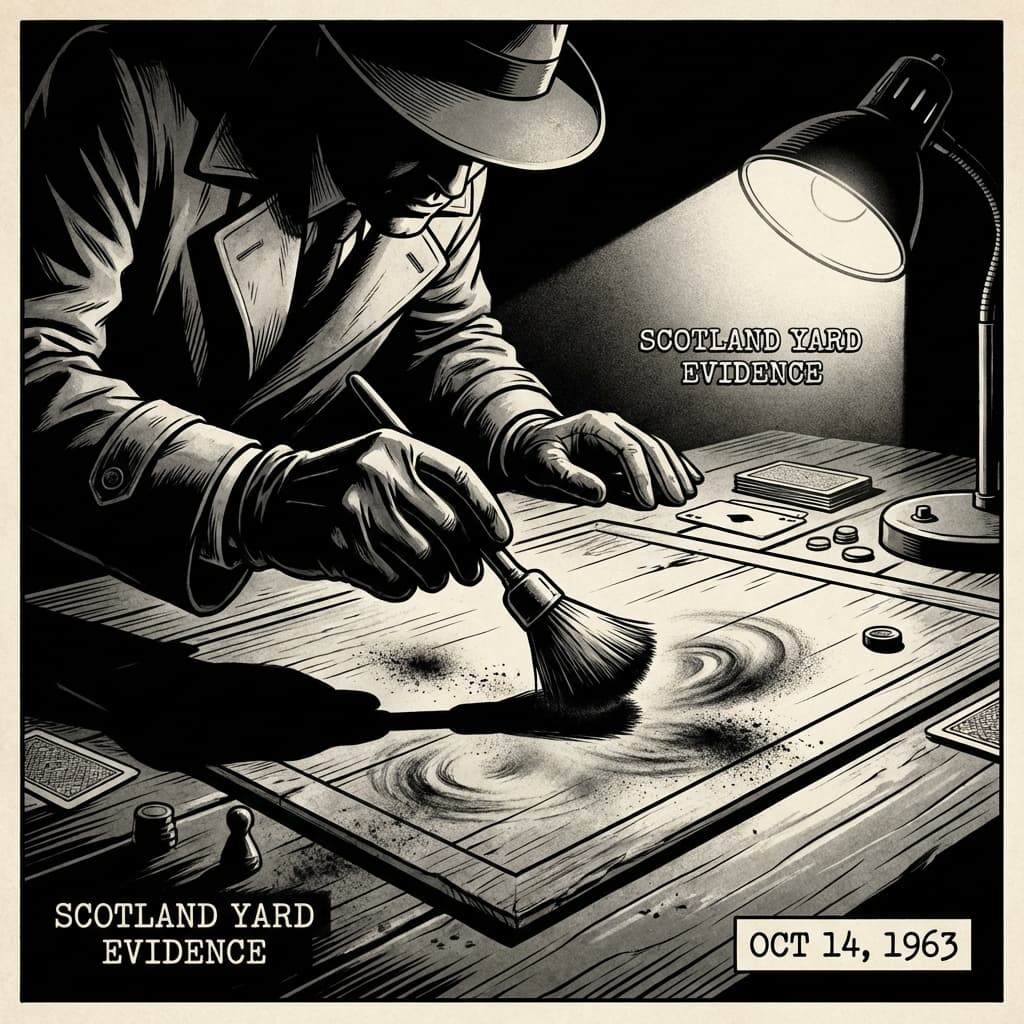
Forensic teams descended on the farmhouse. They dusted every surface, collected every item. And they found what they were looking for: fingerprints.
On a Monopoly board—the same one the gang had used to play with real stolen money—investigators lifted clear prints. On a ketchup bottle in the kitchen, more prints. On beer glasses, on window frames, on seemingly innocuous surfaces throughout the building.
The Net Closes
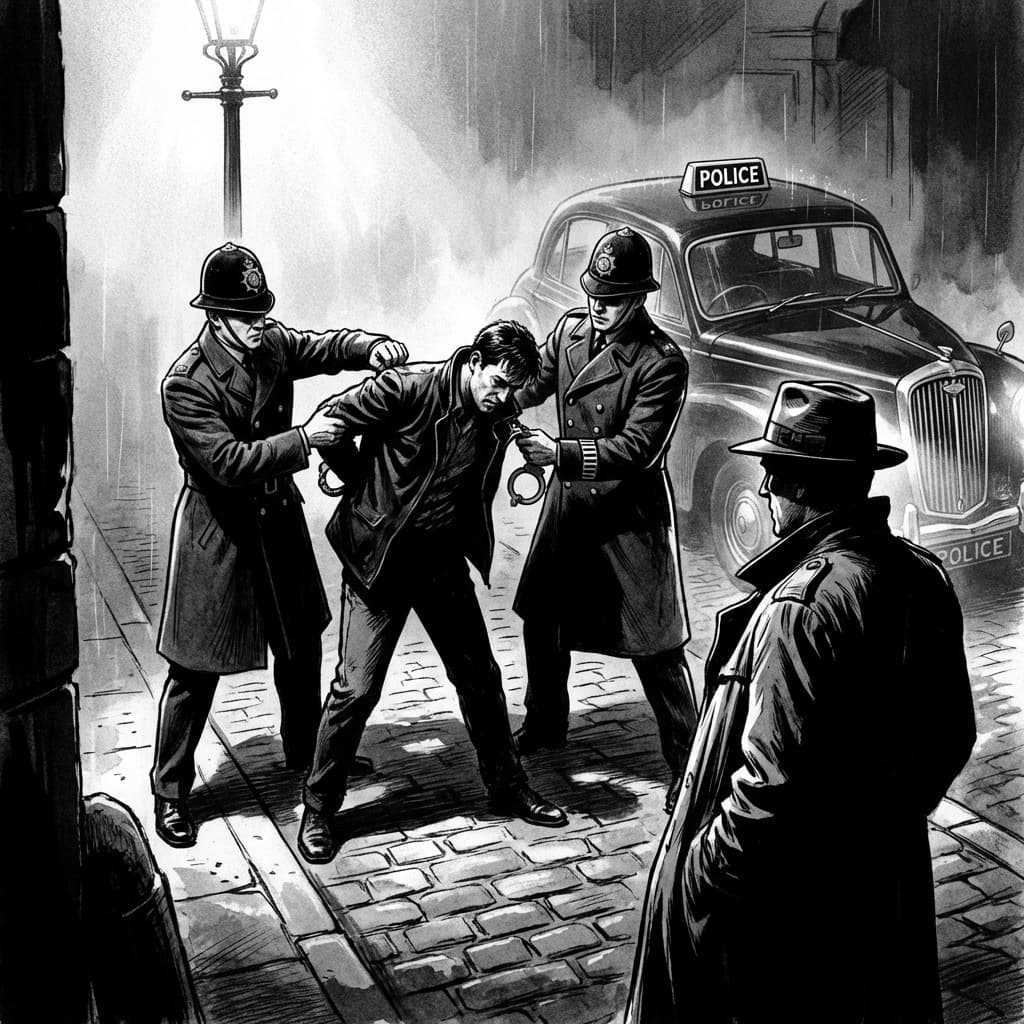
Within a week of the farmhouse discovery, the first arrests began. Roger Cordrey was caught in Bournemouth after a landlady reported finding bundles of cash hidden in his bags. His fingerprints matched those found at the farm.
One by one, the dominoes fell. Charlie Wilson. Ronnie Biggs. Gordon Goody. Buster Edwards. The fingerprints on the Monopoly board told the story of their celebration—and sealed their fate.
The Scale of the Investigation
The Great Train Robbery investigation was unprecedented in British policing history. According to Thames Valley Police historical records, the investigation produced:
- Over 2,000 official reports
- More than 2,500 witness statements
- 250+ witnesses called to testify in court
- 70 dedicated officers working full-time on the case
A reward of £260,000 was offered for information leading to arrests—the largest such reward in British history at that time. Tips flooded in from across the country, and gradually the identities of the robbers emerged.
By January 1964, police had enough evidence to bring 12 men to trial.
The Trial: Justice at Aylesbury
The trial of the Great Train Robbers began on January 20, 1964, at Aylesbury Rural District Council offices in Buckinghamshire. The regular courthouse was deemed too small to accommodate the number of defendants, lawyers, and press, so a temporary court was constructed for the occasion.
The Proceedings
Justice Edmund Davies presided over what would become one of the most sensational criminal trials in British history. The prosecution, led by Arthur James QC, presented a devastating case built on fingerprint evidence, witness testimony, and the recovery of substantial sums of money from the defendants' possession.
The defence teams tried various strategies. Some defendants claimed they were not present at the robbery. Others admitted presence but denied knowledge of the violence against the train crew. But the fingerprint evidence was irrefutable.
Justice Davies, according to court records, instructed the jury to disregard any "romantic notions" about the robbery that had been fostered by press coverage. This was not a victimless crime, he reminded them. A man had been seriously injured. The crew had been terrorised. The sanctity of the Royal Mail had been violated.
The Verdicts and Sentences
On April 15, 1964, the verdicts were delivered. The sentences shocked the nation—not for their leniency, but for their severity:
| Defendant | Role | Sentence |
|---|---|---|
| Roger Cordrey | Signal manipulation | 20 years (reduced to 14 on appeal) |
| Gordon Goody | Deputy leader | 30 years |
| Charlie Wilson | Logistics | 30 years |
| Ronnie Biggs | Recruited driver | 30 years |
| Tommy Wisbey | Gang member | 30 years |
| Jim Hussey | Gang member | 30 years |
| Bobby Welch | Gang member | 30 years |
| Roy James | Getaway driver | 30 years |
| Leonard Field | Gang member | 25 years |
| Brian Field | Solicitor's clerk (handled farm sale) | 25 years |
| Bill Boal | Receiving stolen goods | 24 years |
| John Wheater | Solicitor (handled farm sale) | 3 years |
The sentences of 30 years—the maximum for armed robbery—sent shockwaves through the criminal underworld. It was a clear message from the British judiciary: crimes of this magnitude would be punished with exceptional severity.
The Missing Masterminds
Notably absent from the trial were two key figures. Bruce Reynolds, the mastermind, had escaped to Mexico with his family immediately after the robbery. He would evade capture for five years before being arrested in Torquay in 1968.
Buster Edwards had also fled the country, living in Mexico before eventually returning to England in 1966. He negotiated a reduced sentence of 15 years in exchange for surrender.
The Aftermath: Escapes, Exile, and Death
The Great Train Robbery did not end with the convictions. In the years that followed, the story took even more dramatic turns: prison escapes, international manhunts, and bitter recriminations.
The Escapes
Charlie Wilson was the first to escape. On August 12, 1964—almost exactly one year after the robbery—Wilson scaled the walls of Winson Green Prison in Birmingham with the help of accomplices who had constructed a ladder. He fled to Canada, then France, before eventually settling in the Costa del Sol in Spain.
Ronnie Biggs executed one of the most famous prison escapes in British history. On July 8, 1965, Biggs and three other prisoners used a homemade rope ladder to climb over the walls of HMP Wandsworth. Biggs fled first to Paris, where he underwent plastic surgery, then to Australia, and finally to Brazil in 1969.
In Brazil, Biggs discovered a loophole: he had fathered a child with a Brazilian woman, which made him the father of a Brazilian citizen and thus immune to extradition under Brazilian law at the time. He remained in Rio de Janeiro for decades, becoming a minor celebrity and tourist attraction.
The Victims
The human cost of the robbery was profound. Jack Mills, the train driver who had been struck on the head, never fully recovered from his injuries. According to his family, the psychological trauma compounded the physical damage. He never returned to work as a train driver and suffered from recurring headaches and depression until his death from leukaemia in 1970, aged 64. His family has always maintained that the assault contributed to his early death.
David Whitby, the fireman, was also deeply affected. He struggled with the trauma of the attack and died of a heart attack in 1972, aged just 34.
The Money
Of the £2,595,997 stolen, less than £400,000 was ever recovered. The vast majority of the cash was never found. According to The Postal Museum, the police and prosecution suspected the money was laundered through criminal networks, hidden abroad, or simply spent. Some gang members lived lavishly in exile; others returned to find their share had evaporated through legal fees, living expenses, and the demands of criminal associates.
Later Years of Key Figures
Bruce Reynolds, after his 1968 arrest, was sentenced to 25 years. He was released on parole in 1978 but returned to prison in the mid-1980s for dealing amphetamines. He later wrote an autobiography, "Crossing the Line," and consulted on films and documentaries about the robbery. He died in 2013, aged 81.
Gordon Goody served 12 years before his release in 1975 following changes to sentencing law. He moved to Mojácar, Spain, where he ran a beachfront bar and lived quietly until 2014, when he revealed the identity of The Ulsterman in a documentary. He died in 2016, aged 86.
Ronnie Biggs remained in Brazil until 2001, when declining health forced him to return to the UK voluntarily. He was immediately rearrested and returned to prison, where he served until his release on compassionate grounds in 2009. He died in 2013, aged 84.
Buster Edwards served his sentence and was released in 1975. He ran a flower stall at Waterloo Station—a humble end for a man who had once held millions. He died in 1994.
The Legacy
The Great Train Robbery fundamentally changed British attitudes toward serious crime, security, and punishment.
Impact on Security
In the immediate aftermath, the Royal Mail overhauled its security procedures. High-value packages were given additional protection. Train routes and schedules were varied to prevent prediction. The era of the unguarded cash train was over.
The robbery also influenced the development of British policing. The scale of the investigation demonstrated the need for coordinated operations between regional forces, paving the way for greater cooperation and resource sharing.
Cultural Impact
The Great Train Robbery captured the public imagination in a way few crimes have before or since. It was a crime of audacity and meticulous planning, executed by men who—despite the violence against Jack Mills—were often romanticised in the press as "gentleman thieves."
Films, books, and documentaries have explored the robbery from every angle. The 1988 film "Buster," starring Phil Collins as Buster Edwards, presented a sympathetic portrait of a criminal who just wanted to provide for his family. Critics argued such portrayals ignored the brutal reality of the assault on the train crew.
The Final Secret
For fifty years, one mystery remained: the identity of The Ulsterman, the inside man who had made the robbery possible. In 2014, Gordon Goody finally broke his silence, identifying Patrick McKenna as the informant. McKenna had died in 1995, never having faced justice for his role in the crime.
The revelation completed the historical record, but it also raised uncomfortable questions about how the robbery was compartmentalised—how different members of the gang kept different secrets, trusting that loyalty would hold even across decades.
Conclusion
The Great Train Robbery of 1963 remains a landmark in British criminal history. It was a crime that combined meticulous planning with ruthless execution, and a manhunt that demonstrated both the capabilities and limitations of mid-century policing.
The gang's downfall was, in many ways, banal: a farmhouse they failed to burn, fingerprints they failed to wipe, and the simple observation of a suspicious herdsman. For all their sophistication, the robbers were undone by carelessness and human error.
The sentences they received—unprecedented in their severity—reflected a judiciary determined to make an example. The escapes that followed—particularly Biggs' decades-long odyssey through Australia and Brazil—added layers of drama to an already extraordinary story.
But the human cost should not be forgotten. Jack Mills never recovered from the blow to his head. David Whitby died young, haunted by the trauma. The romance of the Great Train Robbery, so eagerly fostered by press and film, obscures the violence at its heart.
The Great Train Robbery was, ultimately, a crime—and the men who committed it paid a heavy price. For those interested in how financial crimes have evolved, see our analysis on risk management and corporate governance.
References
- Police Records: Thames Valley Police Historical Records, "Great Train Robbery Investigation," 1963-1964.
- Court Documents: Regina v. Cordrey and Others, Buckinghamshire Assizes, 1964.
- Official Museum: The Postal Museum - The Great Train Robbery
- Police Archive: British Transport Police - Major Incidents
- Reference: Great Train Robbery - Wikipedia
- News Archive: "Gordon Goody Obituary," The Guardian, January 2016.
- Documentary: "A Tale of Two Thieves," 2014, featuring Gordon Goody's revelations about The Ulsterman.
- Historical Context: Smithsonian Magazine Feature on the Great Train Robbery