Madoff: The Family Destroyed by America's Largest Ponzi Scheme
Madoff: The Family Destroyed by America's Largest Ponzi Scheme
For decades, Bernard L. Madoff was a pillar of Wall Street. He was a pioneer of electronic trading, a former chairman of the NASDAQ stock exchange, and the manager of a highly exclusive investment advisory business. His fund boasted remarkably consistent, positive returns—even in volatile markets—earning him the trust of European royalty, Hollywood celebrities, major charities, and elite financial institutions.
But it was all a mirage. In December 2008, as the global financial crisis caused panicked clients to demand their money back, the cracks in Madoff’s business could no longer be covered.
When Madoff confessed to his sons that his business was actually "one big lie," it shattered his family. The subsequent fallout resulted in prison sentences, public disgrace, a suicide pact, and the premature deaths of his only sons. This article investigates the collapse of the Madoff empire, the regulatory failures that allowed it to grow, and the tragic destruction of the Madoff family. For another deep-dive into corporate fraud, see our Enron Scandal history—the story of America's most notorious corporate collapse.
Table of Contents
- The Pillar of Wall Street
- Timeline of the Collapse
- The Whistleblower: Harry Markopolos
- The Human Cost: Family Ruins
- The Victims and the Aftermath
- References
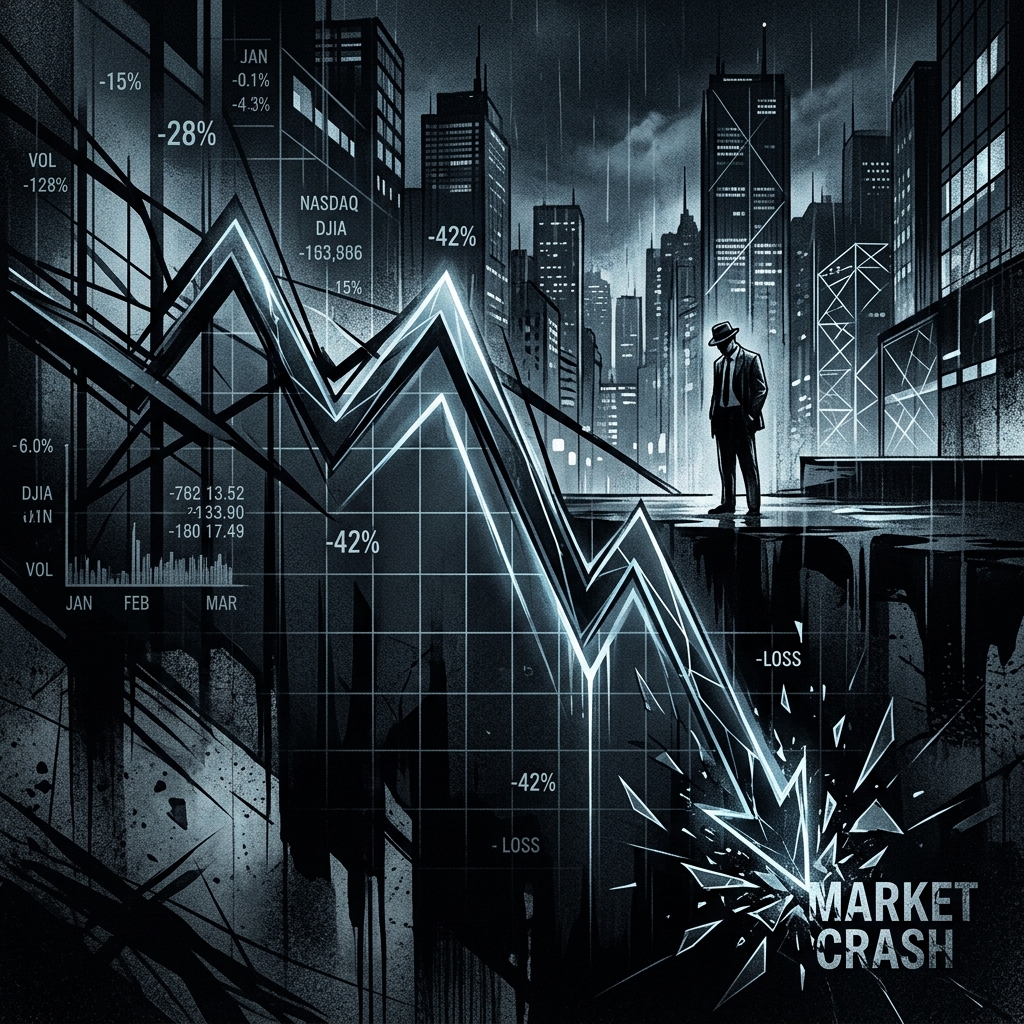
The Pillar of Wall Street
Bernard Madoff’s investment firm, Bernard L. Madoff Investment Securities, was founded in 1960. While the market-making side of his business was completely legitimate, his private wealth management division was a massive Ponzi scheme. Madoff did not buy any securities with his clients' money. Instead, he deposited the funds into a Chase Manhattan bank account, using cash from new investors to pay redemptions to older ones.
What made Madoff's fraud so successful was "affinity fraud." He targeted wealthy Jewish country clubs, non-profits, and charitable foundations. He cultivated an aura of exclusivity, often rejecting prospective clients to make them want to invest even more. He was considered a safe, conservative bet—so safe that institutional "feeder funds" funneled billions into his hands without conducting basic due diligence.
Timeline of the Collapse
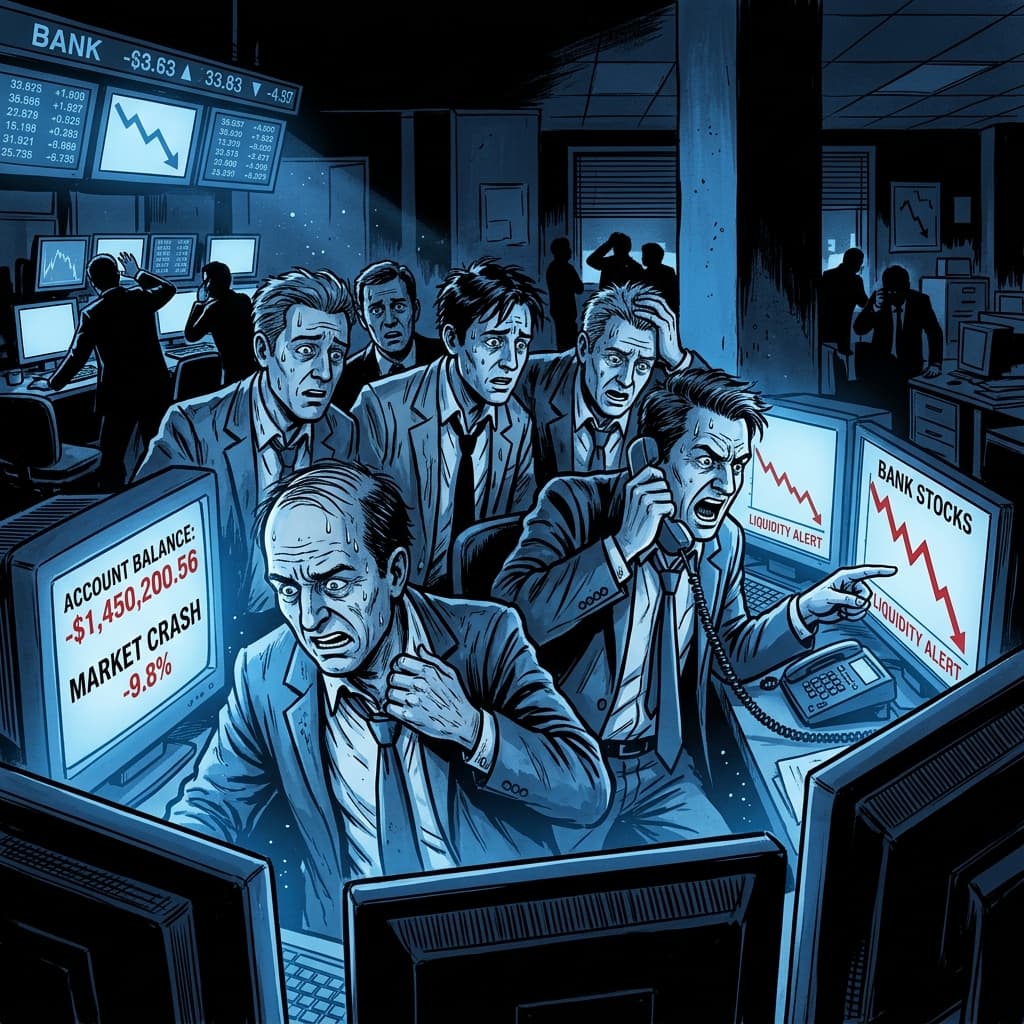
The collapse was triggered by the 2008 global financial crisis. As markets plummeted, investors rushed to pull their cash out, exposing the empty vaults of Madoff's business. Scroll down to walk through the final days.


1. The Run on the Fund
By late November 2008, Madoff's Chase Manhattan bank account had dropped from $5.5 billion to just $234 million. Facing a staggering $7 billion in redemption requests from panicked clients, Madoff realized the end was near. On December 4, he quietly pulled his key aide, Frank DiPascali, aside and confessed: "I'm finished. I have nothing left."
December 10, 2008 – The Confession
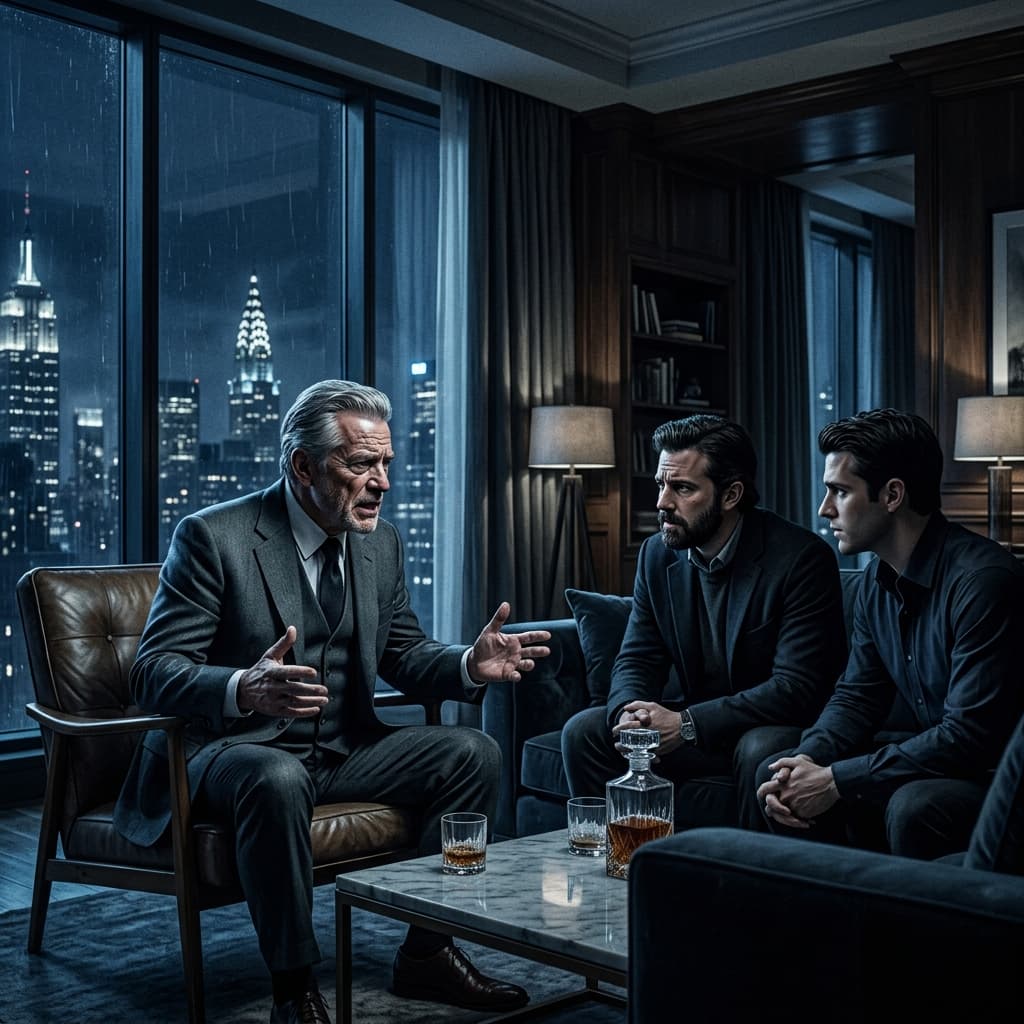
Madoff informed his sons, Mark and Andrew, that he wanted to pay out $173 million in bonuses early. Confused, the sons asked: "How can you pay bonuses if you can't pay investors?" Madoff took them to his apartment, where he confessed that his entire firm was "one big lie... a giant Ponzi scheme." Horrified, the sons contacted lawyers, who immediately informed federal prosecutors. Madoff was arrested the next morning.
Christmas Eve – The Suicide Pact
Under 24-hour house arrest and facing immense public hatred, Bernie and Ruth Madoff made a suicide pact. On Christmas Eve 2008, they took a large dose of prescription pills in their penthouse. However, the dose was not lethal, and they both woke up the next morning. Ruth later recalled, "We were so depressed, we took a bunch of pills... but we woke up."
The Whistleblower Ignored
The tragedy could have been prevented. From 1999 to 2007, an independent financial analyst named Harry Markopolos repeatedly warned the SEC that Madoff was running a fraud. Markopolos wrote a 17-page memo outlining 30 red flags, stating that the returns were "mathematically impossible." The SEC launched multiple investigations but closed them all, failing to check basic trading records.
The Family Tragedy
On December 11, 2010—exactly two years after his father's arrest—Mark Madoff was found dead by suicide in his SoHo loft. He was 46 and had been driven to despair by intense litigation and public suspicion. Andrew Madoff died of mantle cell lymphoma in 2014 at age 48, blaming the stress of the scandal. Ruth Madoff was stripped of her wealth and exiled to a quiet life in Connecticut.
The Whistleblower: Harry Markopolos
One of the most shocking aspects of the Madoff scandal is how easily it could have been stopped. Harry Markopolos, an options trader, was asked by his bosses to replicate Madoff’s trading strategy. Within four minutes of reviewing the numbers, Markopolos knew it was a fraud. Madoff claimed to buy billions in blue-chip stocks and options, but the market volume showed that Madoff's purported trades were larger than the entire volume of options traded on the exchange.
Markopolos sent detailed dossiers to the SEC, including a memo titled "The World's Largest Hedge Fund is a Fraud." Yet, the SEC's investigators were inexperienced, and they were intimidated by Madoff’s prestige. In a tragic conflict of interest, SEC official Eric Swanson investigated Madoff's firm and eventually married Madoff’s niece, Shana Madoff.
The Human Cost: Family Ruins
While Bernie Madoff was sentenced to 150 years in prison—the maximum allowed—the true punishment was borne by his family. His sons, Mark and Andrew, had worked in the legitimate market-making division of the firm and were never charged with any crime. However, the public refused to believe they were innocent.
They faced massive civil lawsuits from trustee Irving Picard, who sought to recover millions of dollars the sons had received in salary and bonuses. Mark Madoff became deeply depressed, attempting suicide once before successfully hanging himself in 2010. Andrew Madoff refused to ever speak to his father again, stating before his death: "He killed my brother and he is killing me."
Ruth Madoff was forced to forfeit her claim to $85 million in assets, keeping just $2.5 million. Under a 2019 settlement, she surrendered most of her remaining assets and was seen riding the subway in New York, a stark contrast to her former life of yachts, penthouses, and private jets.
The Victims and the Aftermath
Madoff's Ponzi scheme destroyed thousands of lives.
- The Elie Wiesel Foundation for Humanity: Lost its entire $15.2 million endowment. Wiesel, a Holocaust survivor and Nobel laureate, stated Madoff was a "monster."
- Hadassah: The Women's Zionist Organization of America, which had invested millions, was forced to pay back $45 million in clawbacks.
- Individual Investors: Retirees lost their life savings, forcing elderly victims to return to low-wage jobs.
Bernie Madoff died in the Federal Medical Center in Butner, North Carolina, on April 14, 2021, at the age of 82. His family refused to claim his ashes, and he was cremated privately. The multi-billion-dollar empire built on a lie left behind a legacy of suicide, shame, and ruined lives.
References
- Harry Markopolos SEC Testimony - Official testimony detailing the SEC's failure to act.
- Bernie Madoff Biography - Britannica - Overview of Madoff's life and NASDAQ career.
- The Madoff Victim Fund - Details on the recovery and distribution of assets to victims.
- Ruth Madoff 2011 60 Minutes Interview - Ruth Madoff's public confession of the suicide pact.
- In the Name of the Father - New York Times - In-depth reporting on the estrangement of the Madoff sons.